

You’ve tried every shampoo on the shelf, yet your scalp still itches relentlessly. Dandruff affects up to 50% of the global population with symptoms of itching and flaking. The real culprit isn’t poor hygiene or simply fungus alone. It’s your scalp microbiome, a delicate ecosystem that when disrupted causes chronic irritation. This guide reveals the science behind persistent scalp itch and how microbiome-friendly solutions restore balance and end the dependency cycle.
Table of Contents
- Introduction To Scalp Itching And Dandruff
- The Scalp Microbiome And Its Role In Scalp Itch And Dandruff
- Scalp Ph, Sebum, And Microbial Environment In Scalp Health
- Common Misconceptions About Scalp Itch And Dandruff
- Limitations Of Conventional Chemical Treatments And Dependency
- Microbiome-Friendly Treatment Approaches And Product Strategies
- Natural And Microbiome-Friendly Remedies For Scalp Itch And Dandruff
- Microbiome Variability And Personalized Scalp Health
- Integrated Framework For Long-Term Scalp Microbiome Balance
- Summary And Practical Takeaways
- Explore Microbiome-Friendly Scalp Care Solutions
Key Takeaways
| Point | Details |
|---|---|
| Microbiome imbalance drives itch | Overgrowth of fungi like Malassezia and bacterial shifts trigger inflammation and flaking. |
| Natural pH protects scalp health | Healthy scalp pH of 4.5 to 5.5 supports beneficial microbes; deviations cause pathogenic shifts. |
| Harsh shampoos worsen symptoms | Frequent chemical use kills good microbes, creating dependency and rebound flares. |
| Low-chemical products restore balance | Microbiome-friendly serums and shampoos below pH 5 promote self-regulation and lasting relief. |
| Personalized care enhances outcomes | Individual microbiome variability requires tailored approaches for optimal symptom control. |
Introduction to Scalp Itching and Dandruff
Scalp itch and dandruff are far more common than you might think. These conditions manifest as visible flakes on your shoulders and persistent itching that disrupts daily life. Beyond physical discomfort, they trigger self-consciousness and social anxiety, impacting quality of life significantly.
The causes of these symptoms are complex. They involve microbial imbalances, barrier dysfunction, and environmental triggers working together. It’s not simply about washing your hair more often or targeting fungus alone. Appreciating the intricate interplay between your scalp’s anatomy and its resident microbes is essential to finding lasting relief.
Understanding causes of dry itchy scalp requires looking beyond surface symptoms. Your scalp hosts a diverse community of organisms that, when balanced, maintain healthy skin. When this ecosystem falls out of harmony, inflammation and irritation follow. Common symptoms include:
- Visible white or yellowish flakes on scalp and clothing
- Persistent itching that worsens with stress or environmental changes
- Red, inflamed patches on the scalp surface
- Greasy or dry scalp texture depending on sebum production
- Scalp tightness or discomfort after washing
Research into the scalp microbiome reveals that these symptoms stem from deeper biological processes. The scalp is not sterile. It thrives when microbial residents coexist peacefully. Disruption of this balance, whether from harsh products, stress, or dietary factors, sets the stage for chronic irritation.
The Scalp Microbiome and Its Role in Scalp Itch and Dandruff
Your scalp is home to a diverse community of microorganisms. Fungi, primarily Malassezia species, and bacteria like Staphylococcus and Cutibacterium form a complex ecosystem. These microbes interact with your scalp’s sebum and skin cells, maintaining balance under normal conditions.
When this balance shifts, problems arise. Malassezia fungi overgrowth stimulates scalp inflammation and flaking, while bacterial shifts correlate with dandruff severity leading to itch. In individuals with dandruff, Staphylococcus capitis populations increase while beneficial Cutibacterium acnes decreases. This microbial dysbiosis disrupts the scalp barrier, triggering immune responses that manifest as itching and scaling.
Understanding the microbiome and scalp itch connection changes how you approach treatment. Key microbial players include:
- Malassezia fungi: Feed on scalp oils, producing irritating by-products when overgrown
- Staphylococcus bacteria: Elevated levels correlate with increased inflammation and symptom severity
- Cutibacterium acnes: Beneficial bacteria that decrease in dandruff-prone scalps
- Corynebacterium species: Support barrier function when present in balanced amounts
Restoring microbial balance is not about eliminating all microbes. It’s about recreating conditions where beneficial species thrive and pathogenic ones remain controlled. This requires understanding the chemical environment that these organisms depend on, particularly pH and sebum levels.
The relationship between microbial roles in scalp health and symptoms is direct. When you disrupt this ecosystem with harsh products, you don’t just kill the bad microbes. You eliminate protective species, leaving your scalp vulnerable to recolonization by opportunistic pathogens.
Scalp pH, Sebum, and Microbial Environment in Scalp Health
Your scalp’s chemical environment determines which microbes can flourish. Natural scalp pH typically between 4.5 and 5.5 promotes microbial homeostasis. This mildly acidic state favours beneficial bacteria while limiting fungal overgrowth. When pH rises toward alkaline levels, pathogenic organisms gain advantage.
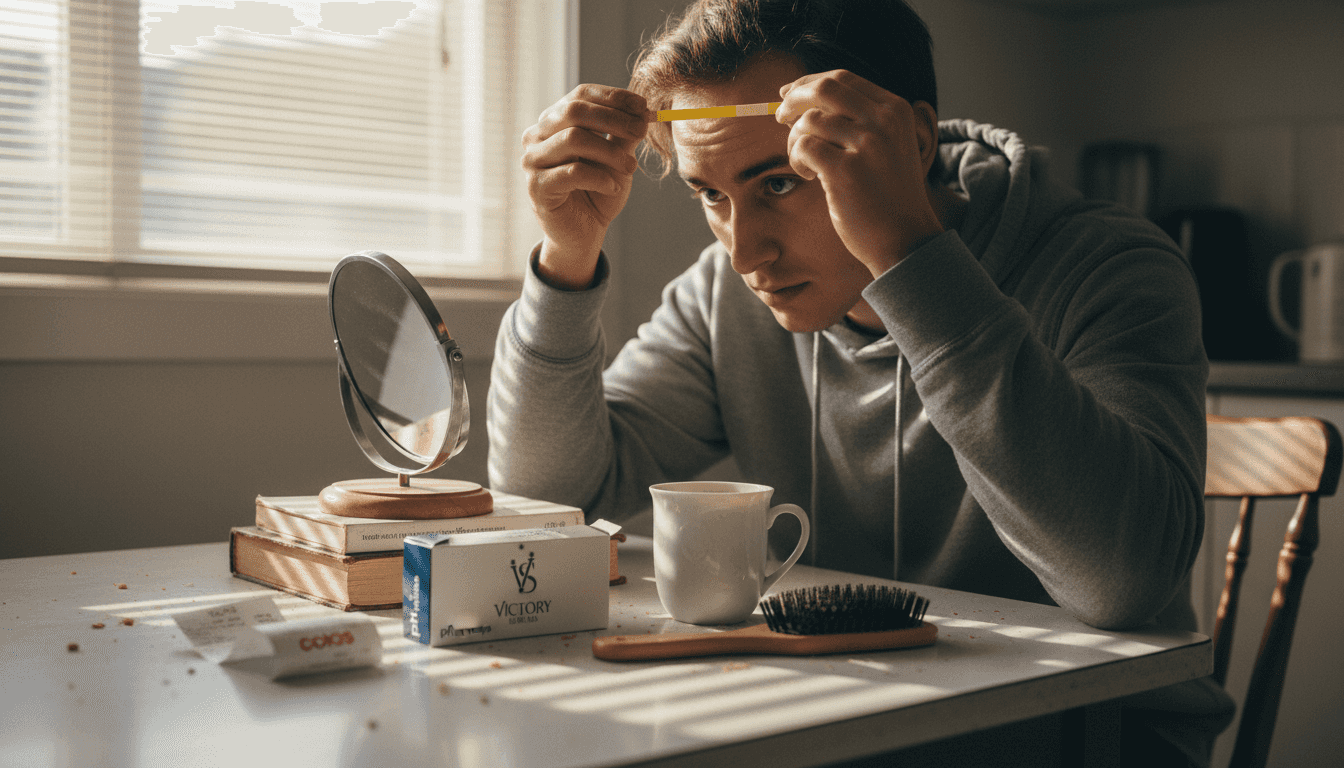
Sebum plays a dual role. It nourishes resident microbes, particularly Malassezia fungi that feed on lipids. Balanced sebum production maintains a healthy microbial community. Excess sebum provides abundant food for fungi, triggering overgrowth. Insufficient sebum dries the scalp, compromising barrier function and allowing irritants to penetrate.
Understanding scalp pH importance transforms your product choices. When you use shampoos with pH above 5.5, you temporarily shift your scalp toward alkaline conditions. This disrupts the acid mantle that protects your skin, creating opportunities for pathogenic colonization. The inflammation that follows manifests as itching and flaking.
Key factors affecting scalp environment:
- Acidic pH (4.5 to 5.5) supports beneficial Cutibacterium and controls Malassezia growth
- Alkaline pH shifts favour fungal proliferation and inflammatory responses
- Balanced sebum provides microbial nourishment without excess fungal food
- Disrupted sebum production alters microbial composition and triggers symptoms
- Water quality and product pH compound environmental stressors on scalp
Pro Tip: Check your shampoo’s pH using test strips. Many mainstream products sit at pH 7 or higher, disrupting your scalp’s natural acidity with every wash.
The role of scalp pH and sebum in maintaining microbial balance cannot be overstated. Every product you apply temporarily alters this environment. Choosing formulations that respect your scalp’s natural chemistry is fundamental to breaking the itch cycle.
Common Misconceptions About Scalp Itch and Dandruff
Many beliefs about dandruff are simply wrong. These misconceptions lead you down ineffective treatment paths, wasting time and money while symptoms persist. Let’s correct the most damaging myths.
“Dandruff just means you need to wash your hair more often.”
This couldn’t be further from truth. Dandruff is not solely caused by poor hygiene or fungal infection alone. Bacterial and barrier factors also contribute significantly. Over washing with harsh products actually worsens the condition by stripping protective oils and killing beneficial microbes.
-
Misconception: Antifungal shampoos cure dandruff permanently. Reality check: These products reduce symptoms by suppressing Malassezia growth. They don’t restore microbiome balance or address bacterial dysbiosis. Once you stop using them, symptoms often return worse than before because your scalp’s natural defences remain compromised.
-
Misconception: Only fungus causes dandruff. The evidence shows bacterial populations shift dramatically in dandruff. Staphylococcus species increase while protective Cutibacterium decreases. Focusing solely on antifungals ignores half the problem, explaining why single-agent treatments often fail.
-
Misconception: Natural oils make dandruff worse. Sebum is not the enemy. It’s the imbalance between sebum production and microbial composition that triggers symptoms. Stripping all oil creates a different problem, often leading to reactive sebum overproduction.
Understanding scalp condition misconceptions helps you avoid common pitfalls. Chemical overuse in pursuit of symptom control damages your scalp’s ecosystem. This creates dependency, where stopping treatment leads to rebound flares that feel worse than the original problem.
The truth about misconceptions about scalp itch is liberating. You’re not failing at hygiene. You’re dealing with a complex biological system that requires balance, not aggressive suppression.
Limitations of Conventional Chemical Treatments and Dependency
Conventional anti-dandruff shampoos promise quick relief. They deliver initially, but the long-term cost is high. Most anti-dandruff shampoos have elevated pH disrupting the scalp microbiome. Frequent use induces microbiome disruption and rebound flare-ups that trap you in a cycle of dependency.
These products typically contain harsh surfactants like sodium lauryl sulphate and active ingredients such as zinc pyrithione or ketoconazole. While effective at killing fungi and bacteria, they lack discrimination. Beneficial microbes die alongside pathogenic ones. Your scalp’s ecosystem collapses, leaving a biological vacuum.
| Treatment Approach | Short-Term Effect | Long-Term Impact |
|---|---|---|
| Daily harsh shampoo | Symptom suppression | Microbiome destruction, dependency |
| Weekly chemical treatment | Moderate control | Barrier damage, rebound flares |
| Microbiome-friendly care | Gradual improvement | Restored balance, self-regulation |
| pH-balanced minimal use | Sustainable relief | Enhanced barrier, reduced symptoms |
The dependency cycle works like this. Harsh chemicals strip your scalp, killing microbes and disrupting pH. Symptoms improve temporarily because the inflammatory triggers are suppressed. But your scalp’s natural defences are now compromised. When you stop treatment, pathogenic microbes recolonize faster than beneficial ones. Symptoms return with a vengeance, often worse than before.
Exploring chemical treatment limitations reveals why this approach ultimately fails. You become trapped using products daily just to maintain baseline comfort. The original goal of healthy, balanced scalp feels increasingly out of reach.
Pro Tip: Transitioning to a microbiome-friendly shampoo requires patience. Expect a transition period of 2 to 4 weeks as your scalp microbiome rebalances. Initial mild flaking is normal as your ecosystem adjusts.
Microbiome-Friendly Treatment Approaches and Product Strategies
Breaking free from chemical dependency requires a different strategy. Microbiome-friendly approaches work with your scalp’s biology, not against it. The goal is restoring self-regulation, not perpetual symptom suppression.
Start with pH-conscious products. Intensive treatments formulated at pH 6, while slightly above natural scalp range, provide rapid relief when used sparingly. Applied weekly or during flares, they calm inflammation without long-term microbiome disruption. The controlled frequency allows active ingredients to work while giving your scalp space to rebalance.
For daily maintenance, products below pH 5 are essential. These formulations maintain the acid mantle that supports beneficial microbes and controls pathogenic growth. Understanding the importance of pH in scalp care transforms your product selection.
Key principles for microbiome-compatible care:
- Use targeted serums at pH 6 for flare management, not daily suppression
- Maintain with pH balanced products below 5 to support microbial homeostasis
- Reduce application frequency and volume gradually over weeks
- Choose sulfate-free formulations with anti-inflammatory botanical extracts
- Allow scalp recovery time between treatments to rebuild natural defences
A microbiome-friendly scalp serum works differently than conventional products. Rather than aggressive microbial suppression, it creates conditions where beneficial species can outcompete pathogenic ones. This takes longer initially but delivers sustainable results.
Pro Tip: Start with minimal product volume. A few drops of serum spread across affected areas is often sufficient. Your scalp doesn’t need to be saturated. Less product means less disruption and faster natural rebalancing.
The shift to medically guided microbiome care represents a fundamental change in philosophy. You’re not managing symptoms indefinitely. You’re creating conditions for your scalp to heal and maintain itself with minimal intervention. This approach addresses scalp itch causes at their root rather than masking surface manifestations.
Natural and Microbiome-Friendly Remedies for Scalp Itch and Dandruff
Nature offers powerful allies in scalp health. Certain botanical extracts demonstrate both antimicrobial activity and microbiome compatibility. They reduce symptoms without the harsh disruption of synthetic chemicals.
Neem, tea tree oil, and amla have clinical evidence reducing scalp inflammation and dandruff symptoms with microbiome-friendly profiles. These agents work through multiple mechanisms. They possess antifungal properties that control Malassezia overgrowth. They reduce inflammation that drives itching. Importantly, they support beneficial bacterial diversity rather than eliminating all microbial life.
Tea tree oil exhibits potent antifungal activity at low concentrations. Unlike synthetic antifungals, it doesn’t appear to disrupt beneficial bacterial populations significantly. Neem extracts offer both antimicrobial and anti-inflammatory benefits, soothing irritated scalp tissue while controlling pathogenic growth.
Effective natural agents for scalp balance:
- Tea tree oil: Antifungal properties at 5% concentration, gentle on microbiome
- Neem extracts: Reduce inflammation and control multiple pathogenic species
- Amla (Indian gooseberry): Antioxidant and antimicrobial effects with barrier support
- Aloe vera: Soothes inflammation and supports skin barrier repair
- Green tea extracts: Anti-inflammatory polyphenols reduce scalp irritation
Interest in these natural approaches is growing. Concerns about chemical sensitivity, microbial resistance, and long-term health effects drive consumers toward botanical solutions. The evidence base supporting herbal scalp remedies continues expanding.
Natural remedies work best as part of comprehensive microbiome-friendly care. They complement pH-balanced products and lifestyle modifications. Learning how to treat dandruff naturally means understanding that single interventions rarely solve complex biological problems. Integration of multiple gentle approaches delivers better outcomes than aggressive single-agent suppression.
Microbiome Variability and Personalized Scalp Health
Your scalp microbiome is as unique as your fingerprint. Individual variation in microbial composition affects dandruff severity and treatment response. This explains why products that work brilliantly for one person fail completely for another.
Research reveals that microbiome composition varies by biological sex. Males often show microbial profiles linked to more severe dandruff symptoms. Hormonal differences influence sebum production and microbial food availability, creating distinct ecosystem dynamics between sexes.
Ethnicity also shapes scalp microbial communities. Different genetic backgrounds associate with varying bacterial and fungal populations. These differences influence scalp disease patterns and may require adjusted treatment approaches.
Factors driving individual microbiome variation:
- Biological sex: Hormonal influences on sebum and microbial composition
- Ethnic background: Genetic factors affecting microbial community structure
- Environmental exposure: Climate, water quality, pollution levels
- Lifestyle factors: Diet, stress, sleep quality, exercise habits
- Product history: Years of chemical use alter baseline microbiome state
Personalized care optimizes treatment efficacy. What works for your friend may not suit your unique microbial ecosystem. Understanding personalized scalp conditions means recognizing that effective treatment requires individual adjustment.
Tracking your response is crucial. Keep notes on symptom changes, product reactions, and environmental triggers. This data reveals patterns specific to your scalp, allowing refinement of your care routine. Some people need more frequent pH-balanced treatments initially. Others respond better to minimal intervention with longer recovery periods.
The goal remains consistent across individuals: restore microbial balance and scalp self-regulation. The path to that goal varies based on your starting point, microbial composition, and lifestyle factors. Embrace experimentation within microbiome-friendly principles to discover your optimal approach.
Integrated Framework for Long-Term Scalp Microbiome Balance
Sustainable scalp health requires more than topical treatments. An integrated approach addresses microbial, barrier, and systemic factors simultaneously. The 12-week scalp health program provides a structured pathway combining evidence-based interventions.
This framework guides you through three phases: Reset, Rebalance, and Restore. Each phase builds on the previous, gradually reducing chemical dependency while strengthening natural defences.
-
Reset Phase (Weeks 1 to 4): Rapidly calm acute symptoms with targeted pH 6 serum applications. Identify and eliminate obvious triggers like harsh shampoos. Begin tracking symptom patterns in relation to diet, stress, and environment.
-
Rebalance Phase (Weeks 5 to 8): Transition to maintenance products below pH 5. Reduce treatment frequency as symptoms stabilize. Introduce gut health supportive dietary changes to enhance systemic microbial resilience.
-
Restore Phase (Weeks 9 to 12): Minimize product use to lowest effective frequency. Focus on lifestyle factors that support long-term balance. Establish sustainable habits for ongoing scalp health.
Key program components:
- Progressive reduction in chemical shampoo frequency from daily to weekly or less
- Low-pH topical treatments applied only when needed, not preventively
- Food trigger identification through systematic elimination and reintroduction
- Gut health support through probiotic foods and fibre intake
- Stress management techniques including adequate sleep and exercise
- Regular symptom tracking to identify personal patterns and triggers
The gut-skin axis plays a significant role in scalp health. Systemic inflammation from food sensitivities or gut dysbiosis manifests on your scalp. Addressing these deeper factors enhances topical treatment effectiveness and prevents symptom recurrence.
This integrated approach breaks the dependency cycle permanently. You’re not managing symptoms indefinitely with daily product use. You’re restoring your scalp’s ability to maintain itself with minimal intervention, the way nature intended.
Summary and Practical Takeaways
Chronic itchy scalp stems from complex interactions between microbes and scalp barrier health. Simple solutions don’t work because the problem isn’t simple. Understanding the microbial ecosystem and chemical environment that drive symptoms empowers you to make effective changes.
The key insight: frequent harsh chemical suppression worsens the underlying problem. Each aggressive treatment depletes beneficial microbes and damages barrier function. Your scalp becomes dependent on these products, unable to self-regulate. Breaking this cycle requires patience and a fundamental shift in approach.
Actionable principles for lasting relief:
- Avoid daily harsh anti-dandruff shampoos that disrupt microbiome balance
- Use pH-balanced products formulated below pH 5 for maintenance
- Apply intensive treatments at pH 6 only during flares, not preventively
- Incorporate natural anti-inflammatory agents that support microbial diversity
- Personalize your routine based on individual microbiome response patterns
- Address systemic factors including gut health and dietary triggers
- Track symptoms to identify personal patterns and optimize interventions
- Gradually reduce product frequency and volume as scalp self-regulation improves
Microbiome-friendly scalp care is not about finding the perfect product. It’s about creating conditions where your scalp can heal and maintain itself. This takes time, typically 8 to 12 weeks for significant improvement. The reward is freedom from daily chemical dependency and sustainable comfort.
Your scalp possesses remarkable self-healing capacity when given the right support. Trust the process, stay consistent with microbiome-compatible principles, and allow your natural defences to rebuild. The itch cycle can be broken permanently.
Explore Microbiome-Friendly Scalp Care Solutions
Ready to break free from daily chemical dependency and restore lasting scalp balance? Victory Serums offers Australian-made formulations designed specifically for microbiome compatibility. Our microbiome-friendly scalp serum provides targeted relief during flares without long-term ecosystem disruption.

Pair your serum with a microbiome-friendly conditioning shampoo formulated below pH 5 to maintain natural acidity between treatments. These products work within the structured framework of our 12-week scalp health program, guiding you through gradual chemical reduction and microbial recovery. Experience relief that works with your biology, not against it, and discover sustainable comfort without perpetual product dependency.
FAQ
What causes persistent scalp itching even after shampooing?
Harsh shampoos disrupt your scalp’s natural microbiome and pH balance. This damage can prolong or worsen itch despite temporary symptom suppression. Your scalp needs gentle, pH-balanced products that support beneficial microbes rather than eliminating all microbial life.
How does scalp pH affect dandruff and itching?
Natural scalp pH sits between 4.5 and 5.5, creating an acidic environment that supports beneficial bacteria. Alkaline conditions from high-pH shampoos encourage fungal and bacterial overgrowth, triggering inflammation and symptoms. Maintaining proper pH is fundamental to scalp health and symptom control.
Can natural remedies truly help with dandruff?
Certain herbal extracts like neem, tea tree oil, and amla demonstrate clinical effectiveness reducing inflammation and fungal overgrowth. They offer gentle alternatives that work with your scalp microbiome rather than destroying it. Natural remedies work best integrated with lower, more acidic pH-balanced (< pH 5) products and lifestyle modifications.
Why do some dandruff shampoos cause more scalp issues with frequent use?
Harsh chemicals in conventional shampoos kill beneficial microbes alongside pathogenic ones and damage your scalp’s protective barrier. This creates a dependency cycle where stopping treatment leads to rebound symptoms worse than the original problem. Your scalp loses its ability to self-regulate, requiring perpetual product use just to maintain baseline comfort.
Recommended
- Why Scalp Care Differs from Hair Care – Microbiome Insights – Victory Serums
- Scalp Health and Hair – Why It Matters for Relief – Victory Serums
- What Causes a Dry Itchy Scalp – Victory Serums
- What Autoimmune Disease Causes an Itchy Scalp? – Victory Serums

Matt Heron is the founder of Victory Serums, an Australian microbiome focused scalp care brand specialising in severe dandruff, yeast imbalance and chronic scalp instability. With more than four decades of personal experience managing persistent dandruff and extensive study of scalp biology, skin pH and barrier function, he developed targeted scalp serums that work within minutes or as leave in treatments. His Reset, Rebalance and Restore approach challenges daily anti-dandruff shampoo dependence and is helping redefine the way chronic dandruff is treated.