

Most people believe scalp flakes come from poor hygiene or a dry scalp. Clinical evidence shows the real culprit is microbial imbalance, specifically Malassezia yeast overgrowth disrupting the scalp microbiome and triggering inflammation that leads to characteristic flaking. You will discover how your scalp microbiome, pH balance and lifestyle choices drive chronic dandruff plus microbiome friendly treatments that deliver lasting relief without daily chemical dependency.
Table of Contents
- Introduction To Scalp Flakes And Dandruff
- Understanding The Microbiome And Scalp Flakes
- The Importance Of Scalp Ph And Barrier Function
- Sebum, Inflammation, And Flake Formation
- Common Misconceptions About Scalp Flakes
- Microbiome Friendly Treatment Approaches
- Lifestyle And Dietary Influences On Scalp Health
- Long Term Scalp Balance And Maintenance
- Discover Microbiome Friendly Scalp Care Solutions
- Frequently Asked Questions
Key takeaways
| Point | Details |
|---|---|
| Microbial imbalance drives flakes | Malassezia yeast overgrowth accounts for up to 80% of dandruff cases by triggering inflammation and disrupting skin barrier function. |
| Scalp pH matters critically | pH levels outside the natural 4.5 to 5.5 range damage your skin barrier, increase water loss, and worsen flaking and irritation. |
| Chemical suppression harms microbiome | Daily anti-dandruff shampoos create dependency cycles and disrupt beneficial microbial populations needed for scalp balance. |
| Diet influences scalp health | High glycaemic index diets increase scalp flaking likelihood by 30% through inflammatory pathways affecting skin and microbiome. |
| Microbiome friendly care restores balance | Low pH products used intermittently support self regulation and eliminate the need for continuous chemical intervention. |
Introduction to scalp flakes and dandruff
Scalp flakes and dandruff describe overlapping conditions characterised by visible skin shedding from the scalp. While flakes can result from simple dryness, dandruff specifically involves inflammation and microbial imbalance. Both conditions share common symptoms that affect daily comfort and confidence.
Typical symptoms include:
- Visible white or yellowish flakes on scalp, hair, and shoulders
- Persistent itching ranging from mild to severe
- Redness and scalp irritation in affected areas
- Tight or uncomfortable scalp sensation
- Oily or greasy patches accompanying flakes
Dandruff affects approximately 50% of adults globally, with similar prevalence rates documented across Australian populations. The condition peaks between ages 20 and 50, though it can emerge at any age. Chronic dandruff persists for months or years, cycling through flare ups and temporary improvements that significantly impact quality of life.
Many Australians experience their first dandruff symptoms during adolescence when sebum production increases. The condition often worsens during winter months when indoor heating and reduced humidity stress the scalp barrier. Understanding the true causes helps you move beyond temporary cosmetic fixes toward lasting scalp health.
Understanding the microbiome and scalp flakes
Your scalp microbiome insights form a complex ecosystem of bacteria, fungi, and other microorganisms living on your skin. In healthy scalps, this community maintains balance through competitive relationships that prevent any single species from dominating. When this equilibrium breaks down, opportunistic organisms multiply rapidly.
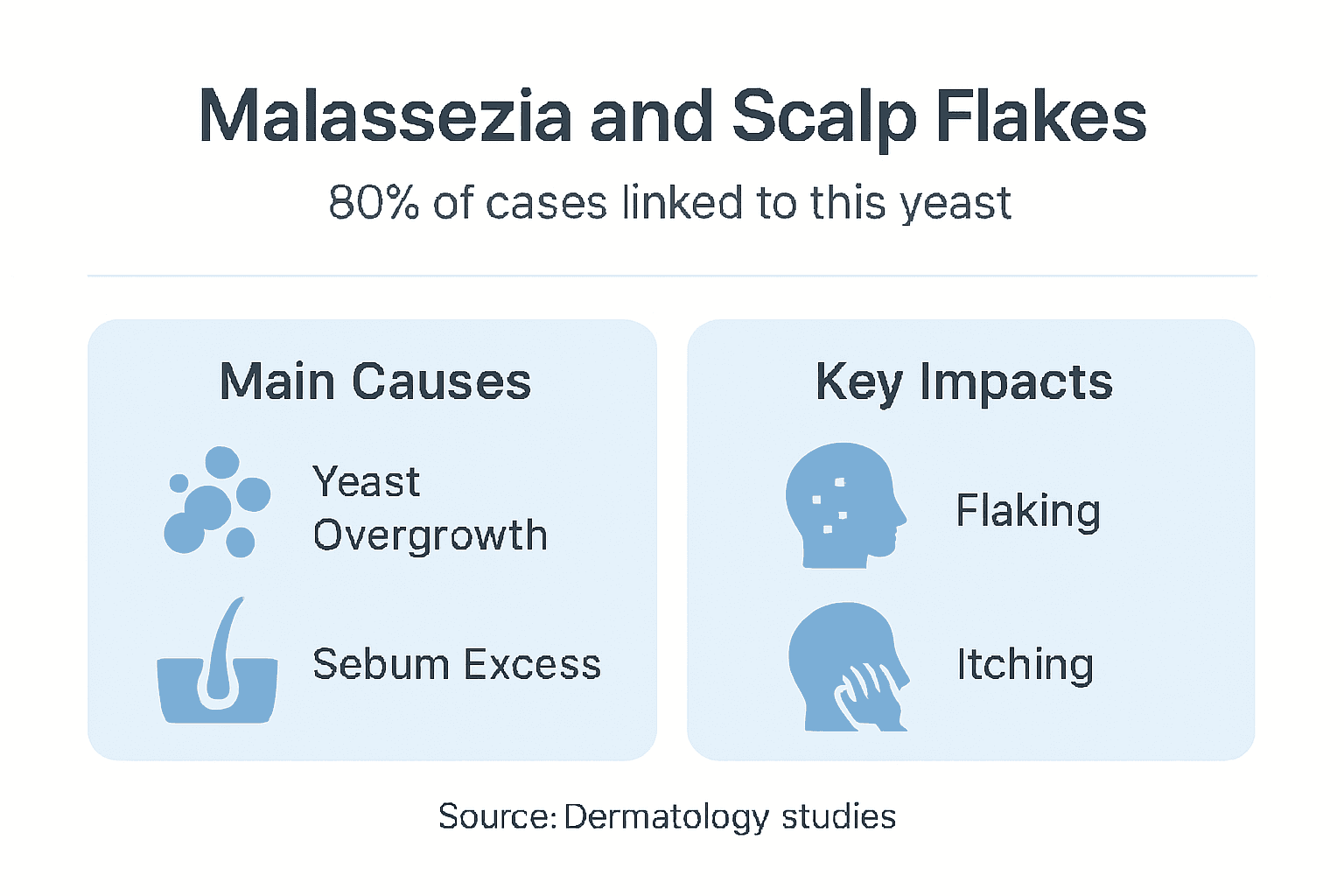
Malassezia yeast overgrowth stands out as the primary driver of dandruff symptoms. These lipophilic fungi naturally inhabit all scalps but proliferate abnormally when conditions favour their growth. Research shows Malassezia can comprise up to 80% of the fungal microbiota in dandruff affected scalps compared to just 40% in healthy individuals.

| Scalp condition | Malassezia percentage | Bacterial diversity | Flaking severity |
|---|---|---|---|
| Healthy scalp | 40% of fungi | High diversity | None to minimal |
| Mild dandruff | 60% of fungi | Moderate diversity | Light flaking |
| Severe dandruff | 80% of fungi | Low diversity | Heavy flaking |
Malassezia organisms feed on scalp sebum, breaking down triglycerides into free fatty acids. Your immune system recognises these metabolic by-products as irritants, triggering an inflammatory cascade. This response releases cytokines that accelerate skin cell turnover, causing immature cells to shed as visible flakes.
The inflammatory response to Malassezia metabolites creates a self perpetuating cycle where irritation increases sebum production, which feeds further fungal growth and worsens symptoms over time.
The itch you experience comes directly from inflammatory mediators activating nerve endings in your scalp. Scratching provides temporary relief but damages the skin barrier further, allowing more irritants to penetrate and intensifying the inflammation flaking cycle.
The importance of scalp pH and barrier function
Your scalp naturally maintains an acidic environment between pH 4.5 and 5.5. This slightly acidic range supports beneficial microbial populations while inhibiting pathogenic organisms. The acid mantle also activates enzymes essential for skin barrier formation and repair.
Scalp health depends heavily on maintaining the skin’s natural acidic environment. Human scalp and skin normally sit within a pH range of approximately 4.5 to 5.5, which supports the organisation of barrier lipids and helps regulate the resident microbiome (see supporting research). When pH rises toward neutral or above pH 6, several destabilising processes occur. The lipid matrix within the stratum corneum begins to lose structural organisation which weakens the barrier and allows water to escape more easily. This leads to increased trans epidermal water loss (TEWL), dryness and greater susceptibility to irritation and microbial imbalance. Elevated pH environments are also associated with increased activity of enzymes that degrade structural proteins in the skin barrier which further accelerates flaking and inflammation.
Alkaline conditions also favour scalp pH balance disruption that allows Malassezia and other opportunistic organisms to thrive. The protective acid mantle weakens, reducing its antimicrobial properties. Inflammation markers rise as the compromised barrier permits irritants to penetrate deeper skin layers.
Key effects of elevated scalp pH include:
- Reduced microbial diversity as acidophilic beneficial bacteria decline
- Impaired barrier lipid synthesis leading to increased water loss
- Enhanced Malassezia colonisation and metabolic activity
- Increased inflammatory cytokine production
- Accelerated cell turnover producing more visible flakes
- Greater susceptibility to external irritants and allergens
Many conventional hair care products use alkaline pH levels between 7 and 9 to open hair cuticles for cleaning. While this works for hair shafts, it damages your scalp’s delicate ecosystem. Choosing pH compatible products that respect your skin’s natural acidity becomes essential for maintaining barrier integrity and microbial balance.
Sebum, inflammation, and flake formation
Sebum production creates the lipid rich environment Malassezia requires for survival and growth (see supporting research). Your sebaceous glands naturally secrete this oily substance to lubricate the scalp and hair, but when production increases it provides additional lipids that Malassezia yeast metabolises for energy. This lipid breakdown releases irritating fatty acid by-products such as oleic acid which can penetrate the scalp barrier and trigger inflammation, leading to flaking and irritation. Research also shows that people with dandruff commonly have higher scalp sebum levels than individuals without dandruff which helps sustain yeast proliferation and microbiome imbalance.
This excess sebum doesn’t just feed Malassezia populations. The metabolic breakdown products, particularly unsaturated fatty acids like oleic acid, directly irritate your scalp skin. Your immune system detects these compounds as threats and mounts an inflammatory response.
Inflammatory cytokines like interleukin 1 beta and interleukin 6 play central roles in translating microbial signals into visible symptoms. These signalling molecules trigger the scalp itch and inflammation cascade that makes dandruff so uncomfortable. They also accelerate keratinocyte proliferation, forcing skin cells to mature and shed much faster than normal.
The flake formation process follows this sequence:
- Elevated sebum production creates favourable conditions for Malassezia growth
- Malassezia organisms proliferate and metabolise sebum into irritating fatty acids
- Your immune system detects these metabolites and releases inflammatory cytokines
- Cytokines accelerate skin cell turnover from the normal 28 day cycle to as little as 7 days
- Immature cells cluster together and shed as visible flakes instead of invisible single cells
- Inflammation increases sebum production further, perpetuating the cycle
Pro Tip: Managing scalp oiliness through gentle cleansing and sebum regulating treatments can break this cycle by reducing the substrate Malassezia needs to thrive, helping restore microbial balance naturally.
Understanding this mechanism explains why simply removing flakes addresses symptoms without solving the underlying problem. Effective treatment must interrupt the inflammation cycle while rebalancing the microbial ecosystem.
Common misconceptions about scalp flakes
Several persistent myths about dandruff lead people toward ineffective treatments that waste time and money while potentially worsening symptoms and creating a lifetime of dependency on daily chemical treatments. Correcting these misconceptions helps you focus on approaches that address root causes.
Misconception 1: Dandruff results from poor hygiene. Many assume visible flakes indicate inadequate washing. In reality, dandruff stems from microbiome imbalance and barrier dysfunction, not dirt. Excessive washing with harsh products often aggravates symptoms by stripping protective oils and disrupting pH balance.
Misconception 2: Daily anti dandruff shampoo use is necessary for control. Marketing messages promote continuous use of medicated shampoos. However, daily chemical suppression damages beneficial microbial populations and creates dependency. Your scalp loses its ability to self regulate, requiring ongoing intervention to prevent flare ups.
Misconception 3: All flakes indicate dry scalp. This assumption leads people to apply heavy moisturisers that worsen oily dandruff. Many common misconceptions scalp flakes involve seborrheic dermatitis where flakes appear greasy and yellowish due to excess sebum, not dryness. The underlying cause is microbial driven inflammation, not moisture deficiency.
Key clarifications include:
- Hygiene practices don’t prevent dandruff when microbiome imbalance exists
- Over washing strips protective barriers and worsens long term outcomes
- Oily flakes require sebum regulation, not moisturisation
- Chemical suppression treats symptoms without restoring ecosystem balance
- Chronic use of harsh actives prevents natural scalp recovery
These misconceptions fail because they focus on visible symptoms rather than functional drivers. Flakes are the end result of disrupted biology, not the problem itself. Effective solutions must restore the conditions that allow your scalp to maintain its own healthy equilibrium.
Microbiome friendly treatment approaches
Conventional anti dandruff shampoos rely on daily chemical suppression using active ingredients like zinc pyrithione, selenium sulphide, or ketoconazole. While these agents reduce Malassezia populations and control flaking, they require continuous use to maintain results. Stopping treatment typically triggers rapid symptom return as the underlying imbalance remains unaddressed.
Microbiome focused approaches prioritise restoring your scalp’s natural ecosystem rather than perpetually suppressing it. These methods use pH balanced formulations that support beneficial microbes while gently controlling pathogenic overgrowth. The goal is self regulation, not dependency.
Microbiome friendly treatments maintain scalp pH between 4.5 and 5.5 to strengthen the acid mantle and promote microbial diversity. Products designed for long term use contain minimal active ingredients at low concentrations, allowing your skin’s natural defences to gradually rebuild. Some formulations use slightly higher pH levels around 6 for short term flare control, applied weekly rather than daily to minimise disruption.
| Approach | pH range | Usage frequency | Effect on microbiome | Long term outcome |
|---|---|---|---|---|
| Chemical suppression | 7 to 9 (alkaline) | Daily ongoing | Reduces diversity, dependency | Symptoms return when stopped |
| Microbiome friendly | 4.5 to 5.5 (acidic) | Intermittent, reducing | Supports diversity, balance | Self regulation restored |
| Flare control serum | ~6 (slightly acidic) | Weekly as needed | Minimal disruption | Bridges to maintenance |
Pro Tip: Rotate your treatment frequency downward as symptoms improve rather than maintaining the same intensive schedule, allowing your scalp ecosystem to strengthen its own regulatory capacity without becoming dependent on external intervention.
This approach requires patience as ecosystem restoration takes weeks to months rather than days. However, results prove more durable because you’re rebuilding functional capacity rather than masking dysfunction. Many people find they can eventually reduce product use to minimal maintenance levels once balance returns.
Lifestyle and dietary influences on scalp health
Your scalp health reflects your overall metabolic and inflammatory state. Dietary choices influence both gut and skin microbiomes through systemic pathways that connect internal and external ecosystems (see supporting research). Diets with a high glycaemic load increase circulating insulin and insulin like growth factor-1 which stimulates sebaceous gland activity and increases sebum production. Higher sebum levels provide additional lipids that support Malassezia growth and can worsen inflammatory scalp conditions such as dandruff and seborrhoeic dermatitis. Emerging dermatology research shows that dietary patterns which drive metabolic inflammation can influence the severity and recurrence of seborrhoeic dermatitis symptoms.
Simple sugars and refined carbohydrates spike blood glucose and insulin levels, triggering inflammatory cascades throughout your body including your skin. These foods also alter gut microbial composition in ways that increase systemic inflammation. The gut skin axis means disrupted intestinal microbiome balance can manifest as scalp symptoms through immune and metabolic signalling.
Saturated and omega 6 fatty acids consumed in excess promote inflammatory pathways, while omega 3 fatty acids from fish and certain seeds provide anti inflammatory effects. Your sebaceous glands incorporate dietary fats into sebum composition, directly affecting the substrate available to scalp microbes.
Key lifestyle factors supporting scalp health include:
- Reduce dietary sugars and refined carbohydrates to minimise inflammatory spikes
- Increase omega 3 intake from fish, flaxseeds, or supplements for anti inflammatory benefits
- Manage stress through proven techniques as cortisol elevation worsens inflammation
- Maintain gentle scalp hygiene without over washing or harsh scrubbing
- Avoid occlusive styling products that trap sebum and create anaerobic conditions
- Ensure adequate sleep as cellular repair processes peak during rest
- Stay hydrated to support skin barrier function and toxin elimination
Environmental factors also matter. Hard water with high mineral content can raise scalp pH and deposit residues that irritate skin. Chlorine from swimming pools strips protective oils. Extreme temperatures stress the barrier. Being mindful of these exposures helps you protect the ecosystem you’re working to restore.
A holistic approach combining topical microbiome friendly treatments with dietary and lifestyle modifications delivers superior outcomes compared to either strategy alone. You’re addressing both local and systemic drivers of scalp imbalance.
Long term scalp balance and maintenance
Achieving lasting scalp health requires transitioning from active treatment to sustainable maintenance that supports your ecosystem’s self regulatory capacity. The goal is minimal intervention with maximum benefit, not replacing one dependency with another.
Long term scalp maintenance relies on low pH products used in small volumes at reducing frequencies. As your scalp barrier strengthens and microbial diversity increases, you’ll need less external support. This gradual reduction allows your skin’s natural defences to assume primary control.
Follow these steps to establish sustainable balance:
- Begin with targeted treatment at recommended frequency for 2 to 4 weeks until symptoms significantly improve
- Reduce application frequency by half once visible flaking decreases by 70% or more
- Monitor scalp condition daily, noting any return of itching or flaking as early warning signs
- Adjust product volume downward as symptoms remain controlled, using the minimum effective amount
- Space treatments further apart, moving from weekly to fortnightly to monthly as tolerance allows
- Maintain low pH conditioning products for regular cleansing to preserve acidic environment
- Reserve intensive treatments for occasional flare ups rather than routine prevention
Your scalp will signal when it needs support through subtle changes in comfort before visible flaking returns. Learning to read these early signs lets you intervene briefly then step back again. This responsive approach prevents major flare ups while minimising product dependency.
Environmental hygiene supports your efforts. Regularly wash pillowcases, hats, and anything contacting your scalp to prevent reinfection or irritant accumulation. Similar to scalp care routines that address environmental factors, maintaining clean contact surfaces reduces microbial load.
Tracking your progress through photos and symptom journals helps identify patterns and triggers. You might notice flare ups coincide with stress periods, dietary changes, or seasonal shifts. This data driven approach lets you proactively adjust care before symptoms escalate, maintaining the stable ecosystem you’ve worked to create.
Discover microbiome friendly scalp care solutions
Victory Serums offers specialised scalp care formulated specifically for microbiome health and pH balance. Rather than daily chemical suppression, these products support your scalp’s natural ecosystem through intermittent targeted treatment and gentle maintenance.
The range includes pH balanced formulations designed to restore barrier function while respecting microbial diversity. The microbiome friendly conditioning shampoo maintains the acidic environment your scalp needs for optimal function. For intensive flare control, targeted serums work rapidly to calm inflammation and reduce Malassezia overgrowth without requiring daily use.
Long term maintenance becomes simple with the microbiome friendly serum for scalp that supports barrier integrity using minimal intervention. The effective dandruff control suite combines these elements into a complete system aligned with the Reset Rebalance Restore framework. You’ll find tailored solutions whether you’re managing active symptoms or maintaining hard won scalp balance.
Frequently asked questions
What causes scalp flakes?
Scalp flakes primarily result from Malassezia yeast overgrowth that disrupts your microbiome balance and triggers inflammatory responses. This fungus feeds on sebum, producing metabolic by-products that irritate skin and accelerate cell turnover. The rapid shedding creates visible flakes rather than normal invisible single cell exfoliation.
What role does Malassezia play in scalp flakes?
Malassezia acts as the primary trigger in approximately 80% of dandruff cases by overgrowing when conditions favour its proliferation. The yeast breaks down sebum into fatty acids that activate immune responses, releasing inflammatory cytokines. These signals force skin cells to mature and shed much faster than the normal 28 day cycle, producing characteristic flaking.
Can adjusting scalp pH improve dandruff symptoms?
Maintaining scalp pH between 4.5 and 5.5 strengthens your skin barrier and supports beneficial microbial populations that compete with Malassezia. Acidic conditions enhance barrier lipid formation, reduce trans epidermal water loss, and inhibit pathogenic organism growth. Most people see significant improvement within 3 to 6 weeks of consistent pH appropriate care.
Are daily chemical shampoos harmful for scalp health?
Daily use of alkaline anti dandruff shampoos disrupts your scalp’s microbial ecosystem and creates dependency by preventing natural self regulation. These products often use pH levels between 7 and 9 that damage the protective acid mantle while reducing beneficial bacterial diversity. Stopping regular use typically causes rapid symptom return because underlying imbalance remains unaddressed.
How does diet impact scalp flaking?
High glycaemic index foods increase systemic inflammation by 30% and alter gut microbiome composition in ways that affect skin health through the gut skin axis. Dietary sugars and refined carbohydrates spike insulin levels, triggering inflammatory cascades. Your sebaceous glands also incorporate dietary fats into sebum, directly influencing the substrate available to scalp microorganisms.
What is the best way to maintain scalp balance long term?
Use low pH microbiome friendly products at progressively lower frequencies as symptoms improve, allowing your ecosystem to develop self regulatory capacity. Start with targeted treatment 2 to 3 times weekly, then reduce to weekly, fortnightly, and eventually monthly maintenance. Monitor your scalp daily for early warning signs, intervening briefly when needed then stepping back to let natural defences maintain control.
Recommended
- What Are Oily Flakes? 60% Better Microbiome Relief 2026 – Victory Serums
- Why Does My Scalp Itch? 50% Globally Face Microbiome Issues – Victory Serums
- What Causes a Dry Itchy Scalp – Victory Serums
- What Autoimmune Disease Causes an Itchy Scalp? – Victory Serums

Matt Heron is the founder of Victory Serums, an Australian microbiome focused scalp care brand specialising in severe dandruff, yeast imbalance and chronic scalp instability. With more than four decades of personal experience managing persistent dandruff and extensive study of scalp biology, skin pH and barrier function, he developed targeted scalp serums that work within minutes or as leave in treatments. His Reset, Rebalance and Restore approach challenges daily anti-dandruff shampoo dependence and is helping redefine the way chronic dandruff is treated.