

Chronic dandruff affects millions of Australians, persisting despite regular shampooing and over-the-counter treatments. The problem often lies not in the lack of treatment but in harsh chemical approaches that disrupt your scalp’s delicate microbiome. Malassezia yeast affects about 80% of dandruff cases, making targeted, microbiome-friendly prevention essential. This article presents science-based prevention tips designed for adults seeking gentle, effective solutions that support long-term scalp health without dependency on daily chemical suppression.
Table of Contents
- Criteria For Choosing Effective Dandruff Prevention Methods
- Top Microbiome-Friendly Dandruff Prevention Tips
- Comparing Common Dandruff Prevention Methods And Their Impact On The Scalp Microbiome
- Choosing Your Dandruff Prevention Routine: Situational Recommendations
- Explore Microbiome-Friendly Dandruff Control Solutions From Victory Serums
Key takeaways
| Point | Details |
|---|---|
| Microbiome balance | Choose sulphate-free products that preserve beneficial scalp bacteria while controlling fungal overgrowth |
| Gentle exfoliation | Weekly scalp exfoliation removes flakes without irritating skin or disrupting natural oil balance |
| Lifestyle factors | Diet, stress management, and hydration directly influence scalp microbiome health and dandruff severity |
| Product frequency | Reduce washing frequency to avoid stripping natural oils that protect against fungal proliferation |
| Targeted treatment | Select pH-balanced serums for flare-ups rather than daily harsh anti-dandruff shampoos |
Criteria for choosing effective dandruff prevention methods
Selecting the right dandruff prevention approach requires understanding what actually works for your scalp microbiome rather than simply masking symptoms. The most effective methods address the underlying fungal causes while preserving your scalp’s protective barrier and beneficial bacteria.
Microbiome-friendly formulations avoid harsh chemicals like sodium lauryl sulphate and synthetic fragrances that strip natural oils and kill beneficial microbes alongside harmful ones. These ingredients may provide temporary relief but often worsen the problem long term by creating an imbalanced environment where Malassezia yeast thrives. Your scalp functions best at a slightly acidic pH between 4.5 and 5.5, so products formulated within or close to this range support natural defence mechanisms.
Gentle scalp exfoliation removes dead skin cells and flakes that feed fungal growth without causing micro-tears or inflammation. Physical exfoliants should have smooth, rounded particles, while chemical exfoliants like salicylic acid work at low concentrations to dissolve buildup. Moisturising after exfoliation maintains the skin barrier, preventing the dryness that triggers compensatory oil production.
Lifestyle factors significantly impact scalp condition. Chronic stress elevates cortisol, which alters skin pH and immune function, creating conditions favourable for fungal overgrowth. Diet influences skin health through nutrient availability and gut microbiome composition, which communicates with skin microbiomes throughout your body. Adequate hydration supports cellular function and toxin elimination through skin.
Pro Tip: Read ingredient labels carefully and avoid products listing alcohol, sulphates, or synthetic fragrances in the first five ingredients, as these disrupt microbiome balance even when marketed as “anti-dandruff” solutions.
When evaluating prevention methods, consider:
- Evidence of fungal control without broad-spectrum antimicrobial action
- pH compatibility with natural scalp range
- Ingredient gentleness and barrier support
- Frequency requirements and long-term sustainability
- Integration with lifestyle modifications for comprehensive care
Top microbiome-friendly dandruff prevention tips
Implementing microbiome-conscious habits transforms your scalp health without harsh chemical dependency. These evidence-based strategies work synergistically to create an environment where beneficial microbes thrive and fungal overgrowth stays controlled.
Use gentle, sulphate-free shampoos that clean without stripping essential oils. Traditional anti-dandruff shampoos containing zinc pyrithione or selenium sulphide kill microbes indiscriminately, disrupting the balanced ecosystem your scalp needs. Natural remedies and microbiome-safe ingredients effectively control dandruff with significantly less irritation. Look for formulations with tea tree oil, niacinamide, or piroctone olamine that target fungal growth specifically.
Regular gentle exfoliation prevents flake accumulation that feeds Malassezia populations. Exfoliate once or twice weekly using products designed for scalp skin, which differs from facial skin in thickness and oil production. This removes the buildup without triggering inflammation that worsens dandruff cycles.
Keep your scalp hydrated with suitable moisturising serums or lightweight oils. Dehydrated skin produces excess sebum to compensate, creating the oily environment where dandruff-causing fungi proliferate. Ingredients like hyaluronic acid, glycerin, and squalane hydrate without heaviness or pore-blocking.
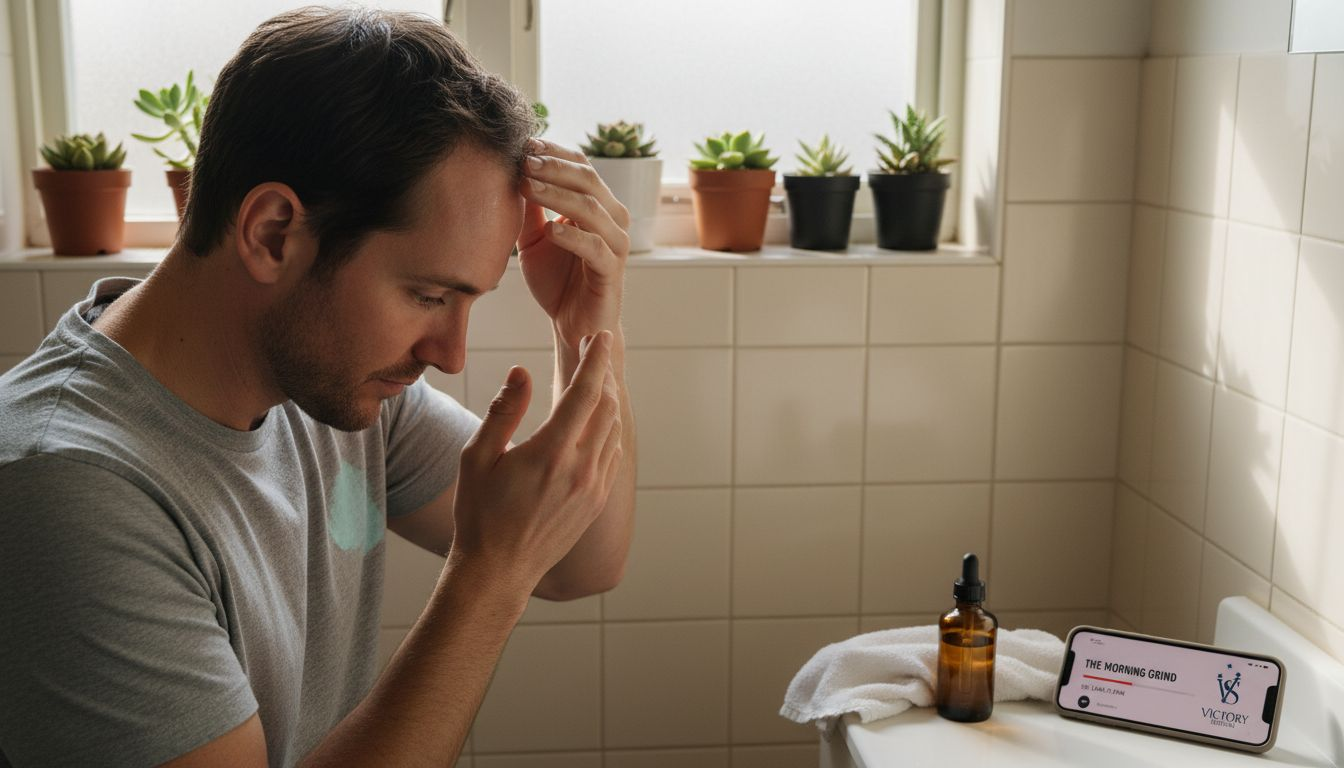
Maintain a nutrient-rich diet supporting skin microbiome health. Omega-3 fatty acids reduce inflammation, B vitamins support cellular turnover, and zinc regulates oil production. Probiotic foods may influence scalp microbiome composition through gut-skin axis communication.
Avoid overwashing, which strips protective sebum and beneficial microbes. Most people with dandruff benefit from washing two to three times weekly rather than daily. Between washes, your scalp’s natural antimicrobial peptides and pH regulate fungal populations more effectively than constant chemical intervention.
Pro Tip: Incorporate gentle scalp massages during shampooing to enhance blood circulation, delivering nutrients and immune cells that support healthy microbial balance and reduce inflammation.
Additional microbiome-friendly practices include:
- Rinsing thoroughly to remove product residue that feeds fungal growth
- Using lukewarm water instead of hot, which damages skin barrier
- Use a low heat hair dryer to avoid heat stress and reduce excess moisture, which discourages excess fungal growth
- Washing pillowcases weekly to prevent reintroduction of shed flakes and microbes
- Managing stress through exercise, meditation, or adequate sleep
Comparing common dandruff prevention methods and their impact on the scalp microbiome
Understanding how different approaches affect your scalp microbiome helps you select methods that provide lasting relief rather than temporary suppression. Anti-dandruff agents vary significantly in their sustainability and microbial impact, requiring careful evaluation for sensitive scalps.
| Method | Pros | Cons | Microbiome Impact | Best For |
|---|---|---|---|---|
| Medicated shampoos (zinc pyrithione, selenium sulphide) | Rapid symptom control, widely available, clinically proven | Harsh on beneficial microbes, requires ongoing use, may cause dryness | High disruption to microbial diversity | Severe flare-ups, short-term use only |
| Natural remedies (tea tree oil, aloe vera) | Gentle, supports barrier function, minimal side effects | Slower results, variable quality, less research | Low disruption, may enhance beneficial species | Mild to moderate cases, maintenance |
| Microbiome-friendly products (targeted serums, pH-balanced shampoos) | Preserves microbial balance, addresses root causes, sustainable long-term | Higher initial cost, requires routine adjustment | Minimal disruption, supports diversity | Chronic cases, sensitive scalps, prevention |
| Prescription antifungals (ketoconazole) | Strongest fungal control, effective for resistant cases | Significant microbiome disruption, potential systemic effects | Very high disruption, reduces diversity | Severe fungal infections, medical supervision |
Medicated shampoos deliver quick relief by killing Malassezia but also eliminate beneficial bacteria that compete with fungi for resources. This creates a cycle where stopping treatment allows rapid fungal rebound because protective microbes haven’t recovered. They work best as short-term interventions during severe flare-ups rather than daily maintenance.
Natural remedies take longer to show results but support scalp health holistically. Tea tree oil demonstrates antifungal properties without broad-spectrum antimicrobial action, allowing beneficial species to thrive. Aloe vera soothes inflammation and provides hydration that strengthens skin barrier function.
Microbiome-friendly products represent a middle path, combining effective active ingredients with formulations that preserve microbial diversity. These products typically use lower concentrations of targeted antifungals alongside barrier-supporting ingredients, working with your scalp’s natural defences rather than replacing them.
Key differentiators when choosing your approach:
- Severity of current symptoms versus long-term scalp health goals
- Sensitivity level and history of reactions to harsh ingredients
- Willingness to adjust routines and allow time for microbiome recovery
- Budget considerations balanced against product frequency needs
- Integration requirements with existing hair care practices
Choosing your dandruff prevention routine: situational recommendations
Tailoring your prevention routine to your specific scalp condition and lifestyle ensures sustainable results without unnecessary product dependency. Adult dandruff can present differently, requiring personalised approaches for persistent conditions.
For mild dandruff with occasional flaking, focus on prevention through gentle cleansing and microbiome support. Wash two to three times weekly with sulphate-free shampoo, exfoliate once weekly, and use a lightweight scalp serum as needed. This routine maintains balance without over-treating.
Moderate dandruff with regular flaking and mild itching benefits from targeted intervention alongside prevention. Add a microbiome-friendly anti-dandruff treatment once or twice weekly, maintain gentle exfoliation, and incorporate stress management practices. Monitor your scalp’s response and adjust frequency accordingly.
Chronic or severe dandruff requires a structured approach addressing multiple factors simultaneously. Begin with a short course of medicated treatment to control acute symptoms, then transition to microbiome-friendly maintenance products. Include dietary modifications, stress reduction, and consistent gentle care routines. Track your progress to identify triggers and optimal product frequency.
Scalp sensitivity demands extra caution with product selection and application technique. Choose fragrance-free formulations, patch test new products, and introduce changes gradually. Sensitive scalps often respond better to leave-in treatments that deliver active ingredients without the mechanical stress of washing.
Practical steps to customise your routine:
- Start with your current symptom severity and frequency
- Identify potential triggers like stress, diet changes, or seasonal factors
- Select core products based on your sensitivity level
- Establish a baseline routine and track results for four weeks
- Adjust product frequency based on scalp response, not fixed schedules
- Gradually reduce treatment intensity as symptoms improve
Explore microbiome-friendly dandruff control solutions from Victory Serums
If you’re ready to break the cycle of harsh chemical dependency and support your scalp’s natural balance, Victory Serums offers science-backed solutions designed specifically for chronic dandruff sufferers. Our Australian-developed range combines effective active ingredients with microbiome-conscious formulation, delivering rapid relief that works within minutes while supporting long-term scalp health.

The Dandruff Control Suite provides a complete system addressing both acute flare-ups and ongoing maintenance. Our Dandruff Control Intensive Shampoo cleanses gently without stripping beneficial microbes, while the Dandruff Control Serum for Scalp Relief delivers targeted treatment for rapid symptom control. Formulated by pharmacists with pH awareness and minimal-use principles, these products help you reduce dependency over time rather than create a new daily habit. Explore how microbiome-friendly care can transform your scalp health without compromise.
FAQ
Which shampoos are best for dandruff prevention?
The most effective dandruff prevention shampoos are sulphate-free formulations with gentle antifungal ingredients that protect scalp microbiome balance. Look for products containing piroctone olamine, tea tree oil, or niacinamide rather than harsh zinc pyrithione or selenium sulphide. These targeted ingredients control Malassezia growth without eliminating beneficial bacteria that compete with fungi. Choose pH-balanced options between 4.5 and 5.5 that support your scalp’s natural defence mechanisms.
How often should I exfoliate my scalp to prevent dandruff?
Gentle scalp exfoliation once or twice weekly effectively reduces flake buildup while supporting microbiome balance. More frequent exfoliation can irritate skin and trigger increased oil production, worsening dandruff cycles. Use products specifically designed for scalp skin with smooth exfoliating particles or low-concentration chemical exfoliants. Always follow exfoliation with hydration to maintain barrier function and prevent compensatory sebum overproduction.
Can diet affect dandruff and scalp health?
Yes, balanced nutrition directly influences skin microbiome composition and dandruff severity. Omega-3 fatty acids reduce inflammation, B vitamins support healthy cellular turnover, and zinc regulates sebum production. Probiotic-rich foods may improve scalp microbiome diversity through gut-skin axis communication. Adequate hydration supports toxin elimination and cellular function. Consider reducing refined sugars and processed foods that promote inflammatory responses and may feed fungal overgrowth.
Why is my dandruff worse despite regular washing?
Overwashing or harsh shampoos disrupt scalp microbiome balance, often exacerbating dandruff instead of improving it. Frequent washing strips natural oils, triggering increased sebum production that creates ideal conditions for Malassezia proliferation. Harsh ingredients eliminate beneficial bacteria that normally compete with fungi for resources. Reduce washing frequency to two or three times weekly, switch to gentle sulphate-free products, and allow your scalp time to rebalance naturally between washes.
Recommended
- Best natural remedies for dandruff 2026: microbiome safe – Victory Serums
- Understanding anti-dandruff agents: sustainable relief – Victory Serums
- Australian scalp care: microbiome balance for 2026 – Victory Serums
- How to Treat Dandruff Naturally for a Healthy Scalp – Victory Serums

Matt Heron is the founder of Victory Serums, an Australian microbiome focused scalp care brand specialising in severe dandruff, yeast imbalance and chronic scalp instability. With more than four decades of personal experience managing persistent dandruff and extensive study of scalp biology, skin pH and barrier function, he developed targeted scalp serums that work within minutes or as leave in treatments. His Reset, Rebalance and Restore approach challenges daily anti-dandruff shampoo dependence and is helping redefine the way chronic dandruff is treated.