

Many Australians struggle with an oily scalp that feels itchy and flaky, often turning to daily anti-dandruff shampoos for relief. These harsh chemical treatments can worsen the problem by disrupting your scalp’s natural pH and microbiome balance. This guide offers a science-backed, microbiome-friendly approach to manage oily scalp conditions sustainably, helping you break free from the daily shampoo dependency cycle and restore long-term scalp health.
Table of Contents
- Understanding Your Oily Scalp And Microbiome Basics
- What You Need Before You Start: Tools, Knowledge And Conditions
- Step 1: Targeted Topical Treatment Application And Frequency
- Step 2: Long-Term Scalp Maintenance Strategies
- Step 3: Holistic Scalp And Gut Health Integration
- Troubleshooting And Optimising Your Routine
- Expected Results And Realistic Outcomes
- Discover Microbiome-Friendly Scalp Care Solutions
- FAQ
Key takeaways
| Point | Details |
|---|---|
| Balance pH and microbiome | Maintaining scalp pH between 4.5 and 5.5 supports the natural skin barrier and helps regulate microbial balance. |
| Use targeted weekly serums | Apply intensive treatments only during flare-ups rather than daily harsh shampoos to avoid chemical dependence and microbiome disruption. |
| Maintain with low pH products | Support long-term scalp health with microbiome-friendly maintenance products formulated below pH 5 in minimal volumes. |
| Address gut health | Your gut microbiome directly influences scalp condition through immune and inflammatory pathways, making dietary changes essential. |
| Track your progress | Monitor symptoms and product use to optimise your routine, prevent overtreatment, and identify what works best for your scalp. |
Understanding your oily scalp and microbiome basics
Your scalp hosts a complex community of microorganisms that directly influence oil production, irritation, and dandruff. When this microbial ecosystem falls out of balance, you experience the uncomfortable symptoms of an oily, flaky scalp. Understanding how this system works is your first step toward sustainable relief.
A balanced scalp microbiome acts as a protective barrier against irritation and excessive sebum production. The dominant microorganism involved in dandruff is Malassezia, a yeast that naturally lives on everyone’s scalp. When conditions favour its overgrowth, it triggers inflammation and accelerated skin cell turnover, leading to visible flakes and itching.
Your scalp’s pH naturally ranges from 4.5 to 5.5, creating an acidic environment that supports beneficial microbes while keeping problematic ones in check. This slightly acidic pH is essential for maintaining the skin barrier function and preventing moisture loss. When you use harsh alkaline shampoos or overwash your hair, you disrupt this delicate pH balance, triggering a cascade of problems.
Disruption of your scalp’s natural pH through aggressive products or excessive washing creates the perfect environment for microbial imbalance. Your scalp responds by producing more oil to compensate for the stripped barrier, creating a vicious cycle. Understanding microbiome balance for scalp health helps you recognise why conventional daily shampooing often worsens oily scalp conditions rather than resolving them.
The connection between scalp pH and dandruff is well established in research. When pH rises above the natural acidic range, it compromises your scalp’s ability to self-regulate and defend against irritants. The goal of effective oily scalp management is not to suppress symptoms chemically every day, but to restore the conditions that allow your scalp to rebalance naturally.
What you need before you start: tools, knowledge and conditions
Before jumping into treatment, you need the right foundation of knowledge and tools to track your progress effectively. Understanding product pH and how your lifestyle affects scalp health will dramatically improve your outcomes.
Start by learning to read product labels for pH information and ingredient compatibility with your scalp microbiome. Most mainstream shampoos sit between pH 5.5 and 7, which is too alkaline for optimal scalp health. You want products formulated at or below pH 5 for daily maintenance, with targeted treatments around pH 6 used only during active flare-ups.
Tracking tools make the difference between guessing and knowing what works. Use a simple diary to log washing frequency, products used, symptoms experienced, and any dietary changes. This data reveals patterns you would otherwise miss, like specific triggers that worsen your condition or the optimal treatment frequency for your scalp.
Your lifestyle factors play a massive role in scalp health. Consider these key influences:
- Washing frequency: overwashing strips natural oils and triggers rebound sebum production
- Diet quality: inflammatory foods and gut imbalances affect scalp microbiome
- Product ingredients: harsh surfactants and high pH formulas disrupt microbial balance
- Stress levels: cortisol impacts oil production and immune function
- Sleep quality: poor sleep impairs skin barrier repair
Here is what you should have ready before starting treatment:
| Item | Purpose | Notes |
|---|---|---|
| Symptom tracking journal | Monitor progress and identify triggers | Digital or paper, updated daily |
| pH-balanced maintenance shampoo | Daily gentle cleansing | Look for pH below 5 |
| Targeted scalp serum | Weekly flare-up control | Applied sparingly as needed |
| Food diary | Track gut-scalp connection | Note digestive symptoms too |
Understanding healthy scalp pH knowledge empowers you to make informed product choices and avoid formulations that will worsen your condition. When you grasp why pH matters, you stop falling for marketing claims and start evaluating products based on their actual compatibility with scalp biology.
Preparedness reduces frustration and increases your likelihood of success. Many people abandon treatment protocols because they lack the knowledge to troubleshoot setbacks or the tools to measure real progress. Spend time on this foundation before moving to active treatment.
Step 1: targeted topical treatment application and frequency
The first pillar of effective oily scalp management is strategic use of targeted treatments that deliver rapid relief without creating chemical dependency. This approach differs fundamentally from daily suppressive shampooing.
Apply intensive pH 6 scalp serums weekly during active flare-ups, not daily. This controlled frequency allows active ingredients to calm inflammation and reduce Malassezia activity while giving your scalp time to rebalance naturally between applications. The slightly elevated pH of these intensive treatments is intentional for short-term use, providing quick symptom control without the constant pH disruption of daily harsh shampoos.
Follow these application steps for maximum efficacy:
- Part hair into sections to expose scalp directly
- Apply small amounts of serum to affected areas only
- Massage gently with fingertips to distribute product
- Leave on scalp overnight without rinsing for sustained action
- Use once weekly or as needed based on symptom severity
Using leave-in topical serums rather than rinsed shampoos reduces your overall chemical exposure and supports microbiome resilience. When you rinse a product immediately, you need higher concentrations of active ingredients to achieve therapeutic effect. Leave-in formulations work continuously at lower concentrations, minimising irritation while maintaining efficacy.
Combine intensive treatments with low pH maintenance products to sustain the balance you create. On non-treatment days, use a gentle pH-balanced shampoo (below pH 5) in minimal amounts. This maintains cleanliness without stripping your scalp’s protective acid mantle or disrupting the beneficial microbial community.
Avoid the temptation to overwash, even when your scalp feels oily. Frequent washing triggers a rebound effect where your sebaceous glands produce even more oil to compensate for the stripped barrier. Most people with oily scalps should wash only 2 to 3 times per week maximum, using targeted serums between washes if itching or flaking occurs.
Pro Tip: Apply your intensive serum the night before washing, leaving it on overnight for maximum penetration. This timing means you wash out any residue during your scheduled cleanse while still getting the full therapeutic benefit.
The oily flakes rapid relief tips demonstrate how strategic application timing and frequency create better outcomes than daily chemical suppression. You are working with your scalp’s natural healing capacity rather than against it.
Step 2: long-term scalp maintenance strategies
Once you have controlled active flare-ups, your focus shifts to maintaining balance and preventing relapse without creating new dependencies. This stage is about minimising intervention while maximising your scalp’s self-regulating capacity.
Use low pH microbiome-friendly shampoos formulated below pH 5 in small quantities for maintenance. These products cleanse effectively without disrupting the acidic environment your scalp needs to stay balanced. Apply only to the scalp itself, not the hair lengths, using about a teaspoon or less per wash.
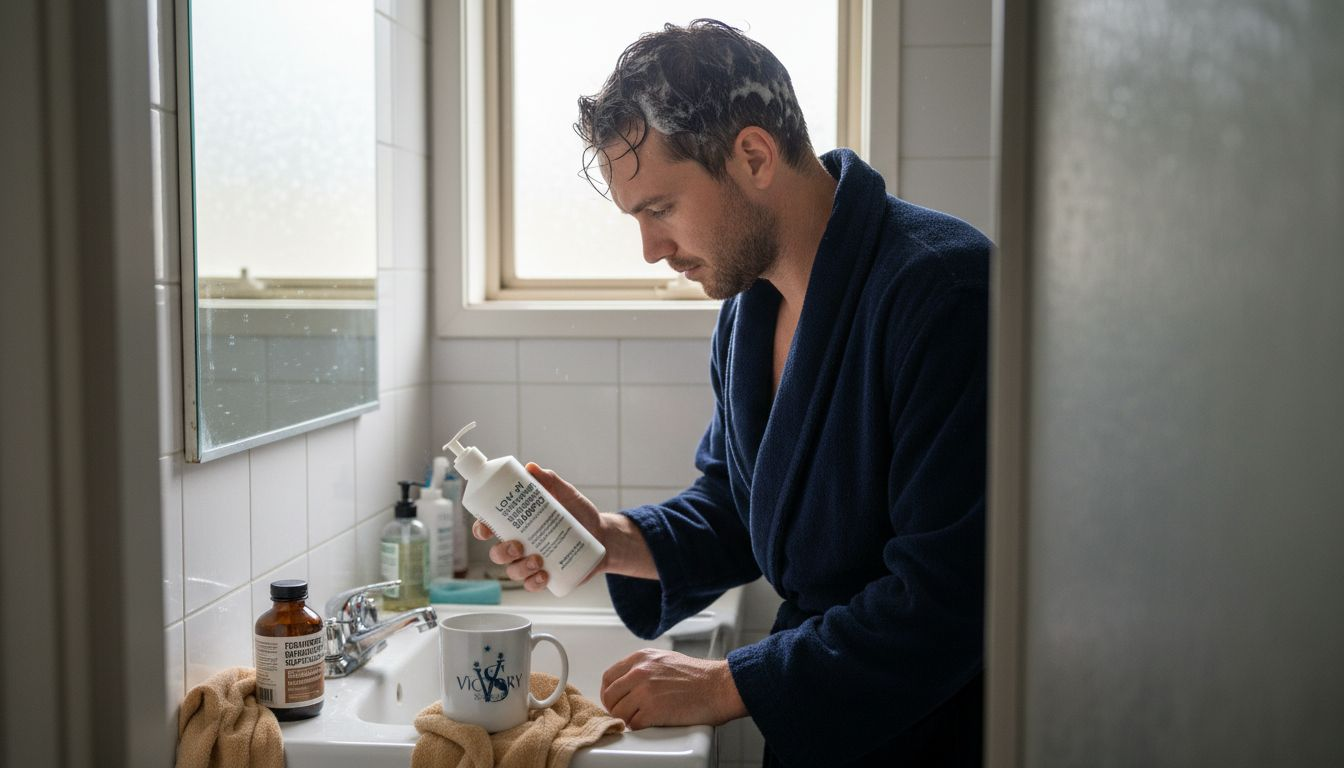
Daily use of strong anti dandruff shampoos can disrupt the scalp’s natural balance rather than restore it. These formulas suppress microbial activity and aggressively remove flakes which can disturb the scalp barrier and microbial communities. Research shows that dandruff scalps exhibit stratum corneum barrier dysfunction compared with healthy scalp, suggesting repeated disruption contributes to persistent flaking and irritation. Restoring balance often requires reducing aggressive treatments and allowing the scalp environment to stabilise.
Your maintenance routine should include:
- Washing 2 to 3 times weekly with pH-balanced gentle shampoo
- Minimal product volume (less is genuinely more)
- Leave-in serums only when early symptoms appear
- Regular scalp massage to distribute natural sebum
- Gradual reduction in treatment frequency as balance improves
Here is how microbiome-friendly maintenance differs from conventional approaches:
| Approach | Frequency | pH Level | Goal | Outcome |
|---|---|---|---|---|
| Mainstream anti-dandruff | Daily | 5.5 to 7 | Suppress symptoms | Chemical dependency, ongoing issues |
| Microbiome-friendly | Weekly targeted + gentle maintenance | Below 5, intensive at 6 | Restore balance | Self-regulation, reduced need for treatment |
The difference between scalp care versus hair care microbiome approaches is crucial. Your scalp needs different care than your hair strands. Products optimised for shine and manageability often contain ingredients that disrupt scalp pH and feed problematic microorganisms.
Focus on restoring your scalp’s natural self-regulation capacity rather than permanent suppressive treatment. This means accepting that you might experience minor fluctuations in symptoms as your microbiome rebalances, rather than panicking and returning to daily harsh shampooing at the first sign of a flake.

Pro Tip: Track the volume of product you use each week. Your goal over 8 to 12 weeks should be gradual reduction in both frequency and quantity, indicating that your scalp is regaining its ability to self-regulate.
Maintaining a consistent, gentle routine prevents the dramatic flare-ups that tempt you back into aggressive treatment. Small, sustainable changes compound into significant improvements when you give your scalp the space to heal.
Step 3: holistic scalp and gut health integration
Your gut and scalp are more connected than you might think. The gut-skin axis represents a bidirectional communication pathway where gut microbiome composition directly influences skin and scalp health through immune signalling and inflammatory mediators.
Dietary patterns and gut microbiome health may influence inflammatory signalling pathways that affect skin and scalp conditions. When systemic inflammation increases it can alter sebaceous gland activity and immune responses in the skin which may contribute to oily scalp conditions and dandruff. As dermatology research notes, “seborrheic dermatitis is associated with multiple factors including sebaceous gland activity, microbial colonization, and host inflammatory response.”
Identifying and avoiding dietary triggers improves scalp condition substantially for many people. Common culprits include refined sugars, processed foods, dairy products, and high glycaemic carbohydrates. These foods feed problematic gut bacteria and yeast, which then influence your scalp microbiome through the bloodstream and immune system.
Incorporating fermented and gut-friendly foods supports both gut and scalp microbiome balance. Foods like sauerkraut, kimchi, kefir, and kombucha contain beneficial bacteria that compete with problematic species in your gut. This improved gut microbial diversity translates to better immune regulation and reduced inflammatory signalling to your scalp.
Structured dietary programmes focusing on gut health have shown significant improvement in dandruff severity, with some studies demonstrating up to 25% reduction in symptoms through dietary intervention alone. The connection between malassezia scalp flakes causes and gut health is particularly strong, as systemic inflammation creates ideal conditions for yeast overgrowth on the scalp.
Practical dietary strategies for scalp health:
- Eliminate refined sugars and processed foods for 4 weeks minimum
- Add fermented foods daily (start small to avoid digestive upset)
- Increase fibre intake to support beneficial gut bacteria
- Consider food sensitivity testing if symptoms persist
- Stay hydrated to support barrier function throughout the body
Holistic care combines topical treatment with dietary intervention for sustained benefits that outlast any single approach alone. When you address both the surface symptoms and the underlying systemic drivers, you create conditions for genuine healing rather than temporary symptom suppression.
The gut-scalp connection means that even perfect topical care cannot overcome poor gut health. Conversely, improving gut health makes your scalp more resilient and responsive to topical treatments, creating a positive feedback loop.
Troubleshooting and optimising your routine
Even with the right approach, you will encounter challenges and need to adjust your routine. Understanding common missteps helps you correct course quickly rather than abandoning the protocol.
Avoid overwashing as your primary response to increased oiliness. This is the most common mistake people make with oily scalps. When you wash too frequently, your sebaceous glands interpret this as excessive dryness and ramp up oil production. The result is a scalp that becomes oilier faster, requiring even more frequent washing in a downward spiral.
Track symptoms and product use rigorously to understand what works and prevent overtreatment. Your diary should note washing frequency, products used, symptom severity (rated 1 to 10), dietary changes, and stress levels. After 4 to 6 weeks, patterns emerge that guide your optimisation decisions.
Adjust topical treatment frequency based on flare severity and your scalp’s response. If symptoms resolve quickly, you might need intensive serum only every 10 to 14 days rather than weekly. If flares persist beyond 4 days despite treatment, you may need to address underlying factors like gut health or product incompatibility rather than increasing topical treatment frequency.
Common mistakes and corrections:
- Using too much product: reduce volume by half and reassess after 2 weeks
- Washing too frequently: extend time between washes by one day at a time
- Expecting instant results: genuine rebalancing takes 8 to 12 weeks minimum
- Abandoning protocol during minor setbacks: small fluctuations are normal during healing
Pro Tip: Take weekly photos of your scalp under consistent lighting. Visual documentation reveals progress that day-to-day observation might miss, helping you stay motivated during plateaus.
Daily harsh shampoos worsen your long-term condition by preventing natural rebalancing. As the treatment tips for oily flakes relief emphasise, less frequent intervention with higher quality products beats daily chemical suppression every time.
“The goal is not to control your scalp forever with products, but to restore its capacity to control itself. Every reduction in treatment frequency is a win, not a risk.”
Patience and consistent monitoring enable gradual microbiome rebalancing that delivers lasting results. Most people see initial improvement within 2 to 4 weeks but require 8 to 12 weeks or more to achieve stable, self-regulating scalp health. Tracking helps you recognise genuine progress even when day-to-day symptoms fluctuate.
Expected results and realistic outcomes
Understanding what to expect and when helps you stay committed to the protocol and recognise genuine progress. Unrealistic expectations are a primary reason people abandon effective treatments prematurely.
Symptom relief often begins within 2 to 4 weeks of consistent treatment. You will notice reduced itching first, followed by decreased flaking and less frequent oily buildup. These early wins indicate that your scalp microbiome is responding to the pH-balanced, minimal intervention approach.
Long-term balance and reduced flare-ups may take 8 to 12 weeks or more to fully establish. This timeline reflects the biological reality of microbiome rebalancing and barrier repair. Your scalp has been in a state of imbalance for months or years, and reversing that requires sustained, patient effort.
Gradual reduction in treatment intensity signals successful scalp microbiome restoration. As weeks progress, you should need intensive serums less frequently and in smaller volumes. If you find yourself increasing treatment frequency or intensity after initial improvement, it suggests an underlying trigger that needs addressing, often dietary or stress related.
Sustained comfort and less irritation show effective management is working. The goal is not perfect scalp days every day, but a general upward trend with minor fluctuations that resolve quickly without aggressive intervention. Your scalp becomes more resilient and responsive, bouncing back from challenges faster.
Realistic benchmarks by timeline:
- Weeks 1 to 2: Reduced itching and irritation, flakes may initially increase as scalp purges
- Weeks 3 to 4: Visible reduction in flaking, less frequent oily sensation
- Weeks 5 to 8: Longer intervals between needed treatments, improved scalp comfort
- Weeks 9 to 12: Stable baseline with minimal intervention needed, rare flare-ups
- Beyond 12 weeks: Self-regulating scalp requiring only gentle maintenance
Realistic expectations reduce frustration and support adherence to the protocol. When you understand that healing is gradual and non-linear, you are less likely to panic during temporary setbacks or abandon the approach just before breakthrough improvements occur.
Discover microbiome-friendly scalp care solutions
Ready to put these strategies into action with products designed specifically for microbiome balance and pH awareness? Victory Serums offers Australian-made solutions that align perfectly with the science-backed approach outlined in this guide.

Explore the microbiome-friendly scalp serum formulated for targeted weekly use during flare-ups. This intensive treatment delivers rapid relief while supporting your scalp’s natural rebalancing process, not creating chemical dependency. Browse the complete scalp dandruff control collection featuring pH-balanced maintenance products and targeted treatments designed to work together within the Reset, Rebalance, Restore framework. Download the free 12 week scalp health programme that integrates topical care with gut health strategies and symptom tracking tools for comprehensive management.
FAQ
How often should I wash my hair with an oily scalp?
Washing 2 to 3 times per week with gentle, low pH shampoos is ideal to avoid overstimulation of oil production. Overwashing strips your scalp’s protective barrier, triggering sebaceous glands to produce even more oil as a compensatory response. Allow your scalp time between washes to rebalance naturally rather than creating a cycle of constant chemical intervention.
Can diet really improve my oily scalp condition?
Yes, gut health affects scalp conditions significantly through immune and inflammatory pathways. Avoiding food triggers like refined sugars and processed foods while supporting gut microbiome with fermented foods promotes a balanced scalp environment. Dietary changes can support a healthier scalp, reflecting the connection between gut health and skin.
Are daily anti-dandruff shampoos harmful for oily scalp?
Daily anti-dandruff shampoos disrupt scalp microbiome balance and often worsen symptoms by creating chemical dependency. Less frequent, targeted use of pH-balanced serums is safer and typically more effective for long-term scalp health. Overuse prevents your scalp from developing natural self-regulation capacity, leading to increased flare-ups and chronic irritation when you reduce application frequency.
How long until I see improvement in my oily scalp?
Most people notice initial symptom relief within 2 to 4 weeks of consistent treatment, with reduced itching appearing first. Achieving stable, long-term balance typically requires 8 to 12 weeks or more as your scalp microbiome gradually rebalances. Patience is essential, as genuine healing occurs slowly and non-linearly with minor fluctuations along the way.
What pH level should I look for in scalp products?
Look for maintenance products formulated at or below pH 5 to support your scalp’s natural acidic environment. Intensive treatment serums used weekly may sit around pH 6 for short-term effectiveness, but should never be used daily. Avoid products with pH above 5.5 for regular use, as they disrupt the microbial balance and barrier function your scalp needs to stay healthy.
Recommended
- Australian scalp care: microbiome balance for 2026 – Victory Serums
- What Are Oily Flakes? 60% Better Microbiome Relief 2026 – Victory Serums
- What causes scalp flakes? Malassezia affects 80% of cases – Victory Serums
- 6 Essential Oily Flakes Treatment Tips for Rapid Relief – Victory Serums
- Menopause and hair loss: natural remedies in 2026 – Botavive
- The Best Mouthwash for Oral Microbiome: Top Picks That Support Healthy – Stop Oral Care

Matt Heron is the founder of Victory Serums, an Australian microbiome focused scalp care brand specialising in severe dandruff, yeast imbalance and chronic scalp instability. With more than four decades of personal experience managing persistent dandruff and extensive study of scalp biology, skin pH and barrier function, he developed targeted scalp serums that work within minutes or as leave in treatments. His Reset, Rebalance and Restore approach challenges daily anti-dandruff shampoo dependence and is helping redefine the way chronic dandruff is treated.