

Most people battling chronic dandruff reach for harsh anti-dandruff shampoos that promise quick relief but often worsen scalp health over time. These products disrupt your scalp’s delicate microbiome, creating a dependency cycle where symptoms return the moment you stop using them. Scalp serums offer a smarter, gentler alternative. Unlike daily chemical suppression, these lightweight, leave-in treatments deliver concentrated active ingredients directly to your scalp, targeting the root causes of flaking and irritation while supporting long-term microbiome balance. This article explains what scalp serums are, how they work at a biological level, and how to use them effectively for lasting scalp health.
Table of Contents
- What Is Scalp Serum And How Does It Work?
- The Science Behind Scalp Serums: Microbiome And Skin Barrier Benefits
- Effectiveness And Safe Use Of Scalp Serums For Chronic Scalp Conditions
- How To Incorporate Scalp Serum Into Your Scalp Care Routine
- Discover Microbiome-Friendly Scalp Serums At Victory Serums
- Frequently Asked Questions
Key takeaways
| Point | Details |
|---|---|
| Definition and function | Scalp serums are lightweight, leave-in treatments that deliver concentrated active ingredients directly to the scalp for targeted care including hydration, soothing, and microbiome balance. |
| Scientific mechanism | Serums penetrate dermal layers to reduce sebum, inhibit fungal enzymes, restore barrier function, and modulate immune responses without disrupting beneficial bacteria. |
| Proven effectiveness | Clinical studies show botanical serums can reduce dandruff area by up to 80% within 28 days and improve hair density over 56 days. |
| Safe application | Apply nightly to clean scalp with gentle massage for absorption, patch test first, and avoid greasy formulas if you have an oily scalp. |
| Microbiome compatibility | Unlike harsh antifungals, microbiome-friendly serums selectively target problem organisms while preserving beneficial scalp bacteria for sustainable results. |
What is scalp serum and how does it work?
A scalp serum is a lightweight, leave-in topical treatment applied directly to the scalp, analogous to facial serums, delivering concentrated active ingredients for targeted scalp care. Think of it as precision medicine for your scalp rather than a broad-spectrum wash-off product. While shampoos cleanse and rinse away within minutes, serums remain on your scalp to work continuously, penetrating deeper layers where follicles and sebaceous glands reside.
Scalp serums perform multiple therapeutic actions simultaneously. They hydrate dry, flaky skin by delivering humectants that bind moisture to the stratum corneum. They soothe irritation through anti-inflammatory botanicals that calm redness and itching. Some formulations include gentle exfoliants to lift dead skin cells and unclog follicles, while others focus on rebalancing the scalp microbiome by creating an environment where beneficial bacteria thrive and problem organisms like Malassezia yeast struggle.
The key difference lies in ingredient concentration and formulation philosophy. Serums contain higher percentages of active compounds than shampoos because they do not require dilution or rapid rinsing. They avoid harsh surfactants, sulfates, and synthetic fragrances that strip natural oils and disrupt the skin barrier. Instead, they use penetration enhancers and delivery systems that help active molecules reach target tissues without causing irritation.
Application method matters enormously. You apply scalp serum directly to problem areas using a dropper or nozzle, then massage gently with fingertips to stimulate blood flow and enhance absorption. This targeted delivery ensures active ingredients reach follicles and sebaceous glands rather than coating hair shafts. For detailed technique guidance, see how to apply scalp serums to maximise benefits.
Pro Tip: Apply scalp serum to a clean, dry scalp before bed so active ingredients work overnight without interference from styling products or environmental pollutants.
Key characteristics that define effective scalp serums:
- Lightweight texture that absorbs quickly without greasiness
- Concentrated active ingredients at therapeutic doses
- pH balanced formulations that support scalp barrier function
- Leave-in design for continuous action rather than brief contact
- Microbiome-friendly ingredients that avoid disrupting beneficial bacteria
The science behind scalp serums: microbiome and skin barrier benefits
Scalp serums work through multiple biological pathways to restore scalp health at a cellular level. Serums penetrate dermal layers to nourish follicles, reduce sebum production, inhibit fungal lipases that break down skin oils into irritating fatty acids, restore barrier function, and modulate immune responses including reduction of inflammatory Th17 and Th22 cytokines. This multi-target approach addresses dandruff and irritation more comprehensively than single-mechanism treatments.
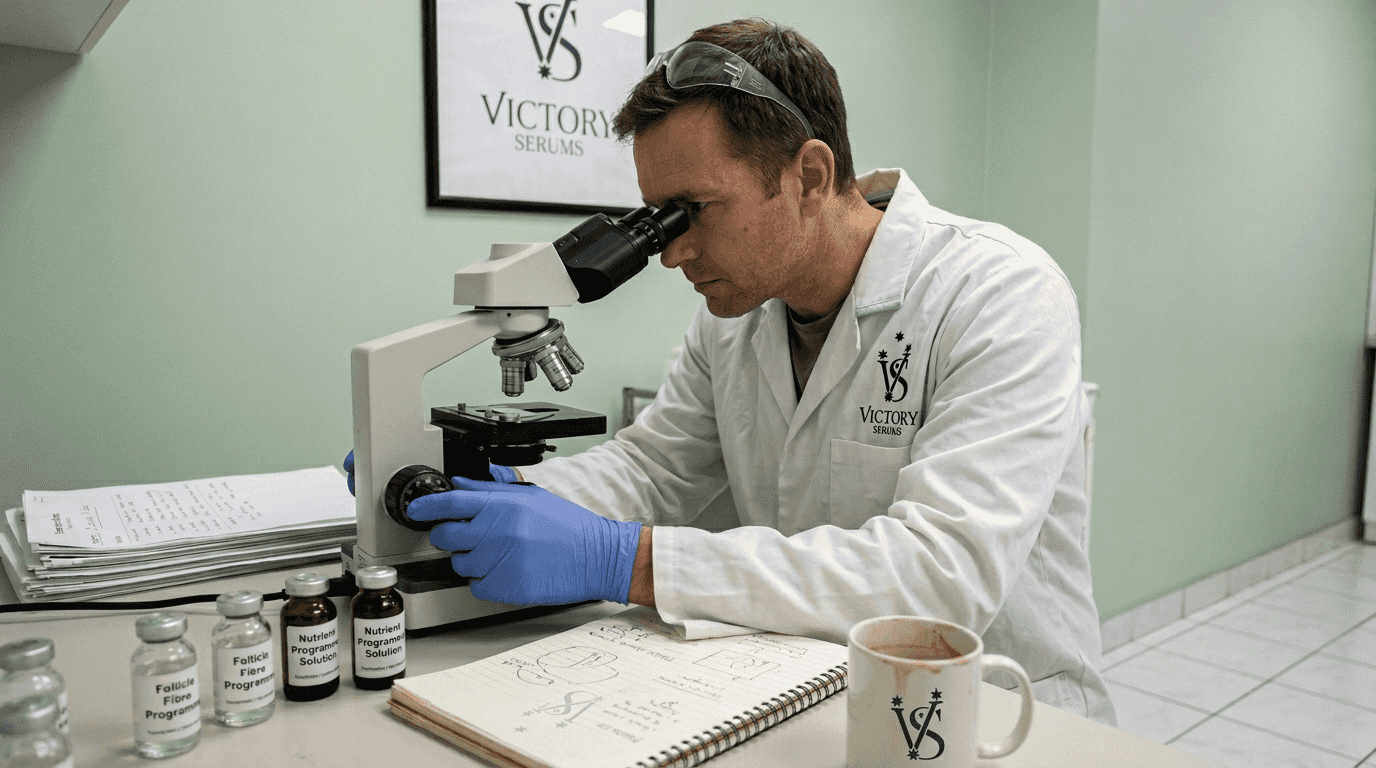
The sebum regulation pathway is particularly important for oily scalps prone to dandruff. Excess sebum production feeds Malassezia yeast, which thrives on lipid-rich environments. When Malassezia metabolises sebum, it releases oleic acid and other byproducts that trigger inflammatory cascades in susceptible individuals. Quality serums contain botanical extracts that normalise sebaceous gland activity, reducing the fuel supply for problematic microorganisms without completely stripping natural oils.
Barrier restoration represents another critical mechanism. Chronic dandruff and irritation compromise the stratum corneum, the outermost protective layer of scalp skin. A damaged barrier loses moisture rapidly, allows irritants to penetrate more easily, and fails to regulate pH effectively. Serums containing ceramides, fatty acids, and cholesterol in proper ratios help rebuild this barrier, improving hydration and reducing sensitivity over time.
The microbiome angle has revolutionised scalp care science. Recent multi-omics research shows bacterial dysbiosis, particularly Staphylococcus increases, also plays a key role in dandruff alongside fungal overgrowth. Microbiome-friendly botanical serums match the efficacy of traditional antifungals with significantly less irritation. Unlike broad-spectrum antifungals that eliminate both harmful and beneficial organisms, selective botanical ingredients create conditions that favour healthy microbial diversity. Learn more about this approach in scalp care vs hair care microbiome principles.
Pro Tip: Choose serums formulated at pH 4.5 to 5.5 for long-term maintenance, as this acidic range supports beneficial bacteria and inhibits problematic organisms naturally.
| Treatment approach | Effect on microbiome | Barrier impact | Long-term sustainability |
|---|---|---|---|
| Traditional antifungals | Eliminates fungi and beneficial bacteria | Can compromise barrier with prolonged use | Requires continuous use to prevent relapse |
| Microbiome-friendly serums | Selectively reduces problem organisms | Actively restores barrier function | Supports scalp self-regulation over time |
| Harsh shampoos | Disrupts entire microbial ecosystem | Strips protective lipids and proteins | Creates dependency cycle |
For Australian consumers seeking microbiome balance, understanding these biological mechanisms helps you choose products that work with your body rather than against it.
Effectiveness and safe use of scalp serums for chronic scalp conditions
Clinical evidence demonstrates impressive efficacy for properly formulated scalp serums. DandErase botanical extract in leave-on serum reduced dandruff area by 62.9 to 66.4% within 24 hours, reaching up to 80% reduction by day 28 in double-blind studies. Microbiome serums reduce flakes and itch via selective Malassezia reduction without bacterial disruption. Another randomised controlled trial showed Centella extract with growth factors increased hair density and thickness significantly by day 56. These results surpass many conventional treatments while avoiding harsh side effects.
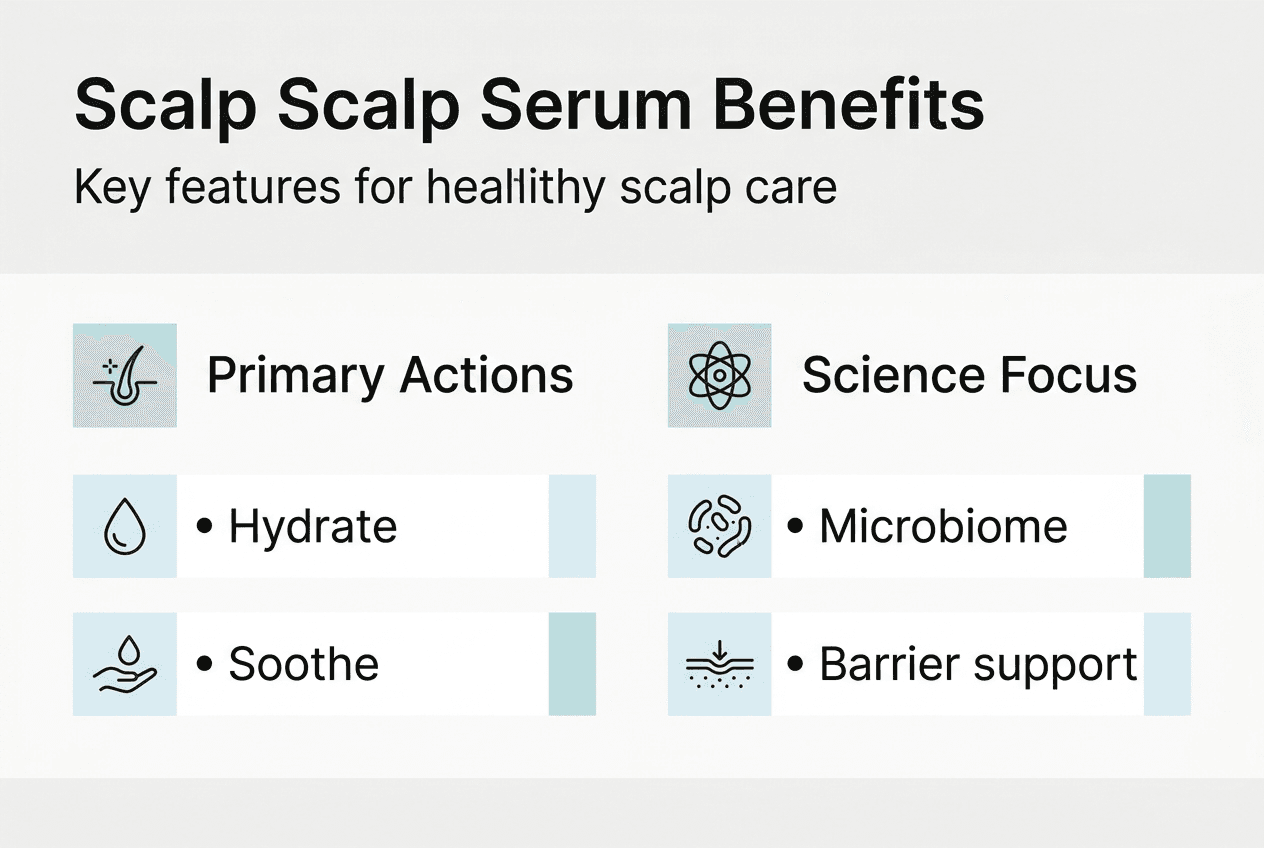
The speed of action varies by formulation and severity. Intensive serums designed for acute flare-ups can calm irritation and reduce visible flaking within hours to days. Maintenance serums focused on long-term microbiome balance show progressive improvement over weeks as the scalp ecosystem stabilises. Understanding why dandruff occurs helps set realistic expectations for timeline and outcomes.
However, serums have limitations. They are not ideal for severe psoriasis or seborrheic dermatitis requiring prescription intervention. Greasy formulas risk buildup in oily scalps, potentially worsening congestion. Patch testing for sensitivities is advised before full application. If you have diagnosed scalp conditions beyond common dandruff, consult a dermatologist before starting any serum regimen.
Optimal usage patterns for chronic scalp issues:
- Start with intensive application during active flare-ups, typically nightly for one to two weeks
- Transition to maintenance schedule of two to three times weekly as symptoms improve
- Gradually reduce frequency as scalp self-regulation improves
- Use minimal product volume, focusing on problem areas rather than entire scalp
- Combine with microbiome-friendly prevention strategies for comprehensive care
Pro Tip: Consistency matters more than quantity. A few drops applied regularly outperform sporadic heavy application.
| Benefit | Consideration | Recommendation |
|---|---|---|
| Rapid symptom relief | May mask underlying issues if used alone | Combine with dietary and lifestyle modifications |
| Gentle on microbiome | Requires patience for full ecosystem rebalancing | Commit to 8 to 12 weeks for sustainable results |
| Targeted delivery | Less effective if applied to dirty or product-laden scalp | Always apply to clean, dry scalp |
| Long-term sustainability | Not suitable for severe medical conditions | Seek professional diagnosis for persistent issues |
For those managing oily scalp concerns, choose lightweight, fast-absorbing serums and avoid heavy oils that exacerbate sebum buildup.
How to incorporate scalp serum into your scalp care routine
Integrating scalp serum effectively requires a structured approach that respects your scalp’s natural rhythms and needs. Follow these steps for optimal results:
- Cleanse your scalp thoroughly with a gentle, pH-balanced shampoo to remove product buildup, excess sebum, and environmental pollutants. Avoid harsh sulfates that strip protective oils.
- Towel dry your hair until damp but not dripping. Your scalp should be clean and slightly moist for best serum absorption.
- Part your hair into sections to expose the scalp. Apply serum directly to problem areas using the dropper or nozzle, typically 3 to 5 drops per section.
- Massage gently with fingertips using circular motions for 2 to 3 minutes. This stimulates blood flow, enhances penetration, and distributes product evenly.
- Leave the serum on overnight or for at least 4 to 6 hours before washing. Do not rinse immediately after application.
- Repeat nightly during acute phases, then reduce to 2 to 3 times weekly for maintenance once symptoms improve.
Timing matters significantly. Evening application allows serums to work during your body’s natural repair cycle when cellular regeneration peaks. Morning application works if you shower at night, but avoid applying serum right before styling products or sun exposure, which can interfere with absorption.
For those with oily scalps, product buildup poses a real risk. Use minimal amounts and focus application on areas with visible flaking or irritation rather than coating your entire scalp. If you notice greasiness or heaviness, reduce application frequency or switch to a lighter formulation. The goal is targeted treatment, not saturation.
Pro Tip: Consistency over intensity produces better long-term results. Regular minimal application trains your scalp toward self-regulation better than sporadic heavy treatment.
Complementary practices enhance serum effectiveness. Use microbiome-friendly shampoos that do not strip your scalp’s protective ecosystem. Avoid hot water, which damages the skin barrier and stimulates excess sebum production. Consider dietary modifications that reduce inflammatory triggers, as scalp health reflects internal balance. The 12 week scalp health guide provides comprehensive protocols for integrating these elements.
For detailed visual guidance on proper technique, watch how to apply scalp serums to ensure you maximise absorption and minimise waste. Small adjustments in application method can significantly impact results.
Building a complete routine:
- Week 1 to 2: Nightly intensive serum application to calm acute symptoms
- Week 3 to 4: Reduce to every other night as flaking decreases
- Week 5 to 8: Transition to 2 to 3 times weekly maintenance schedule
- Week 9 onwards: Adjust frequency based on scalp response, aiming for minimal intervention
Track your progress with photos and symptom journals. This data-driven approach helps you identify patterns, adjust frequency, and recognise when you have achieved sustainable balance. The objective is not permanent product dependency but guided restoration of your scalp’s natural self-regulation capacity.
Discover microbiome-friendly scalp serums at Victory Serums
Victory Serums offers Australian-made, pharmacist-developed scalp serums designed specifically for chronic dandruff, flaking, and scalp irritation. Our formulations prioritise microbiome compatibility and pH awareness, moving beyond symptom suppression to address functional drivers of scalp imbalance. The scalp dandruff control collection includes intensive serums for acute flare-ups and maintenance products for long-term balance.
Unlike conventional treatments that create dependency, Victory Serums follows a Reset, Rebalance, Restore framework. Our intensive serum works rapidly during flare-ups, then you transition to lower-frequency maintenance as your scalp regains self-regulation. Download our free 12 week scalp health guide for structured protocols integrating topical care with gut health, food trigger identification, and progress tracking. This comprehensive approach helps you achieve lasting scalp health with minimal product intervention.
Frequently asked questions
What is a scalp serum and who should use it?
A scalp serum is a concentrated, leave-in treatment applied directly to the scalp to deliver active ingredients for hydration, soothing, and microbiome balance. Adults experiencing chronic dandruff, flaking, itching, or scalp irritation benefit most, especially those seeking gentler alternatives to harsh anti-dandruff shampoos. People with sensitive scalps or those wanting to break free from daily chemical treatments find serums particularly valuable.
How does scalp serum differ from shampoo and conditioner?
Shampoos cleanse by removing dirt, oil, and product buildup but rinse away quickly, limiting active ingredient contact time. Conditioners coat hair shafts to improve manageability but rarely address scalp health directly. Scalp serums remain on the scalp continuously, penetrating deeper layers to target follicles, sebaceous glands, and the microbiome. This sustained contact allows therapeutic ingredients to work over hours rather than minutes.
Can scalp serum cause side effects or worsen oily scalp?
Most people tolerate quality scalp serums well, but patch testing prevents unexpected reactions. Heavy, oil-based formulations can worsen oiliness and cause buildup if overused on already oily scalps. Choose lightweight, fast-absorbing serums and apply sparingly to problem areas only. If you experience increased irritation, redness, or flaking, discontinue use and consult a dermatologist, especially if you have diagnosed scalp conditions beyond common dandruff.
How long does it take to see results from scalp serum?
Timeline varies by formulation and severity. Intensive serums can reduce visible flaking and calm irritation within 24 to 48 hours, with progressive improvement over 2 to 4 weeks. Microbiome-focused maintenance serums require 6 to 12 weeks for full ecosystem rebalancing and sustainable results. Consistency matters more than speed. Regular minimal application produces better long-term outcomes than sporadic intensive treatment. For comprehensive guidance, explore clinical scalp treatments to understand realistic expectations.
Recommended
- Scalp Serum – Victory Serums
- How to Apply Scalp Serums – Victory Serums
- What Are Clinical Scalp Treatments? A 2026 Guide – Victory Serums
- Microbiome-Friendly Serum for a Balanced Scalp Care Routine – Victory Serums

Matt Heron is the founder of Victory Serums, an Australian microbiome focused scalp care brand specialising in severe dandruff, yeast imbalance and chronic scalp instability. With more than four decades of personal experience managing persistent dandruff and extensive study of scalp biology, skin pH and barrier function, he developed targeted scalp serums that work within minutes or as leave in treatments. His Reset, Rebalance and Restore approach challenges daily anti-dandruff shampoo dependence and is helping redefine the way chronic dandruff is treated.